Yoga has become one of the most popular wellness practices in the world, and for good reason. It supports physical health, mental clarity, emotional balance, and overall lifestyle improvement. Many people feel curious about yoga but often hesitate to begin because they believe they need special skills, expensive equipment, or a high level of flexibility. In reality, yoga is one of the most beginner-friendly practices you can start, and it can easily be done in the comfort of your own home.
For anyone who wants to live a healthier and more balanced lifestyle, learning yoga at home can be a powerful step forward. It allows you to move at your own pace, listen to your body, and develop a routine that fits naturally into your daily life. Whether your goal is to improve flexibility, reduce stress, support weight management, or simply feel better in your body, yoga offers a gentle yet effective way to begin that journey.
At Aimketodiet.com, the focus is on creating a healthier lifestyle through balanced habits, mindful living, and sustainable wellness practices. Yoga fits perfectly into this philosophy because it encourages awareness, consistency, and harmony between the body and mind. Starting yoga at home is not about performing complicated poses or achieving perfection. It is about taking small steps toward better health, one practice session at a time.
This beginner’s guide will help you understand how to start yoga at home, what you need to get started, how to build a simple routine, and how to make yoga a comfortable and rewarding part of your daily life.
Why Starting Yoga at Home Is a Great Choice
Many beginners feel unsure about joining yoga studios or group classes because they worry about keeping up with others or performing poses incorrectly. Starting yoga at home removes these pressures and allows you to focus on your personal experience.
Practicing yoga at home provides a comfortable environment where you can learn without feeling self-conscious. You can move slowly, repeat poses as needed, and take breaks whenever your body requires them. This relaxed approach is especially helpful for beginners who are still learning how their bodies respond to different movements.
Another advantage of home practice is flexibility. You can choose the time that works best for your schedule, whether it is early morning, during a lunch break, or in the evening before sleep. This freedom helps you develop consistency, which is one of the most important factors in experiencing the benefits of yoga.
Home practice also allows you to create a calm and peaceful atmosphere. A quiet space with minimal distractions can help you focus on your breathing and movements, making the experience more enjoyable and effective.
For many people, starting yoga at home becomes the easiest way to build confidence before exploring other forms of practice.
Understanding the Basic Elements of Yoga
Before starting yoga, it is helpful to understand the main elements that make up a typical yoga practice. Yoga is not just about physical movement; it is a combination of several components that work together to support health and well-being.
The first element is physical postures, often called poses. These movements stretch and strengthen different parts of the body, helping improve flexibility, balance, and muscle tone. Beginners usually start with simple poses that are comfortable and easy to learn.
The second element is breathing awareness. In yoga, breathing is not something that happens automatically without attention. Instead, breathing becomes a conscious part of the practice. Slow and controlled breathing helps calm the nervous system and keeps the body relaxed during movement.
The third element is mindful attention. Yoga encourages practitioners to focus on how the body feels in each pose and how the breath moves in and out of the body. This awareness helps reduce mental distractions and promotes relaxation.
The final element is relaxation. Most yoga sessions end with a short period of rest where the body is allowed to fully relax. This relaxation helps the body absorb the benefits of the practice and leaves the mind feeling refreshed.
Together, these elements create a balanced practice that supports both physical and mental health.
Creating a Comfortable Space for Yoga at Home
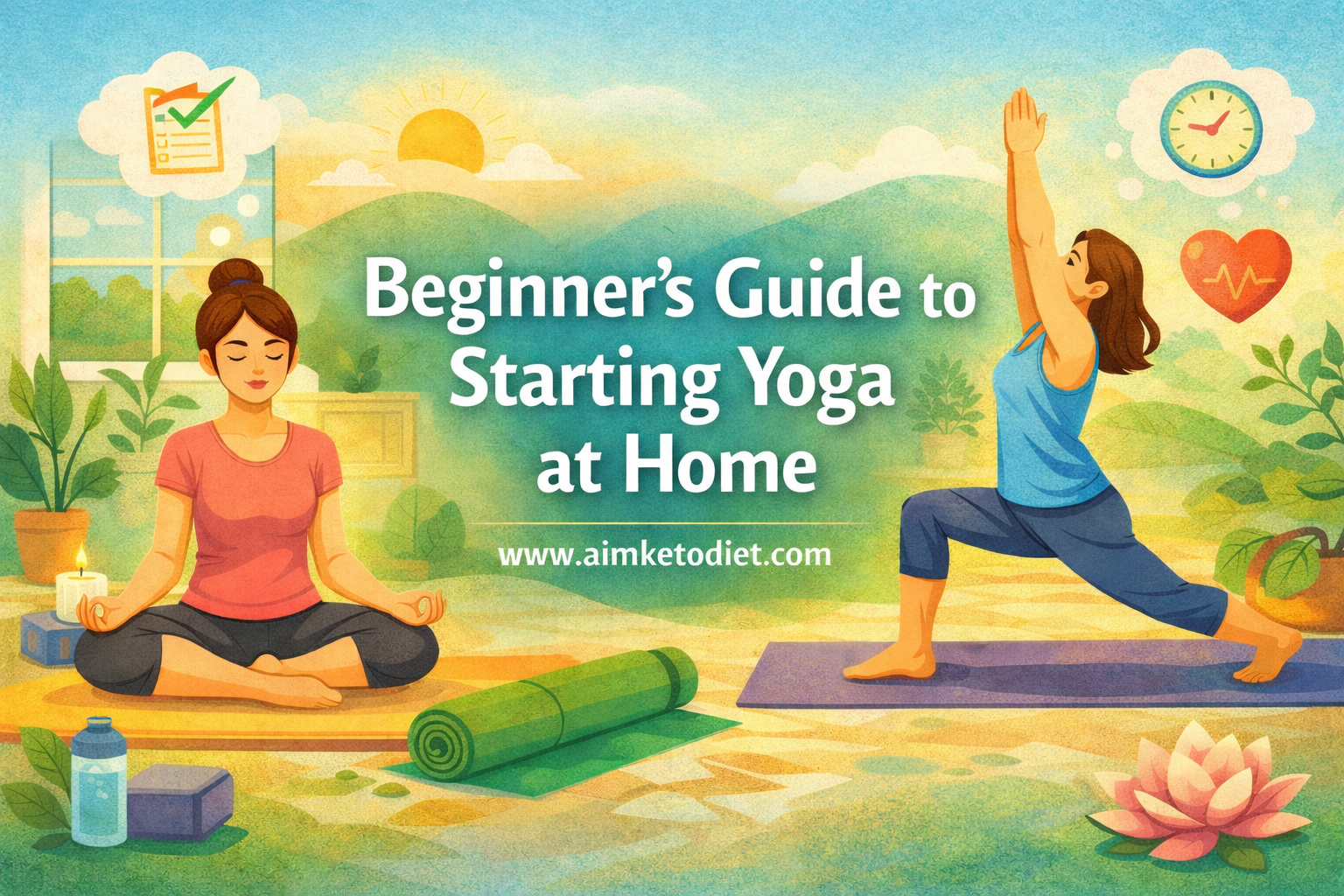
One of the simplest steps in starting yoga at home is creating a comfortable space for practice. This space does not need to be large or elaborate. Even a small area in a quiet corner of your home can work well.
Choose a place where you can move freely without bumping into furniture or other objects. A clear floor area is usually enough for most beginner poses. The goal is simply to have enough space to stretch your arms and legs comfortably.
Good lighting and fresh air can also enhance the experience. Natural light often creates a calm atmosphere, and practicing near a window can make the environment feel more peaceful.
You may also want to reduce distractions by turning off televisions, silencing phones, or choosing a time when the home is relatively quiet. This helps you stay focused on the practice rather than external interruptions.
Some people like to add small personal touches such as a plant, a candle, or soft music to create a relaxing atmosphere. These elements are optional but can make the space feel more inviting.
Basic Equipment You May Need
One of the best things about yoga is that it requires very little equipment. Beginners can start practicing with only a few basic items.
A yoga mat is usually the most helpful piece of equipment. It provides cushioning for the body and prevents slipping during poses. However, if you do not have a yoga mat, you can begin with a clean carpet or a folded blanket.
Comfortable clothing is also important. Choose clothes that allow free movement and do not restrict stretching. Breathable fabrics often feel more comfortable during practice.
Some beginners also use simple props such as cushions, folded blankets, or yoga blocks. These items can help support the body and make certain poses easier to perform. However, they are not required when starting out.
The most important requirement for yoga is not equipment but willingness. A calm mindset and a few minutes of dedicated time are far more valuable than expensive gear.
Choosing the Best Time to Practice Yoga
Yoga can be practiced at almost any time of day, but choosing a consistent time helps build a routine.
Many people enjoy practicing yoga in the morning because it helps wake up the body and prepare the mind for the day ahead. Morning yoga can improve circulation, loosen stiff muscles, and create a positive start to the day.
Evening yoga can also be beneficial, especially for those who experience stress or fatigue after a busy day. Gentle evening practice helps release tension, relax the muscles, and calm the mind before sleep.
Ultimately, the best time to practice yoga is the time that fits comfortably into your schedule. Consistency is more important than the specific hour of practice.
If you are just starting, even a short session of ten to fifteen minutes can be enough to begin building a healthy habit.
Starting with Simple Beginner Poses
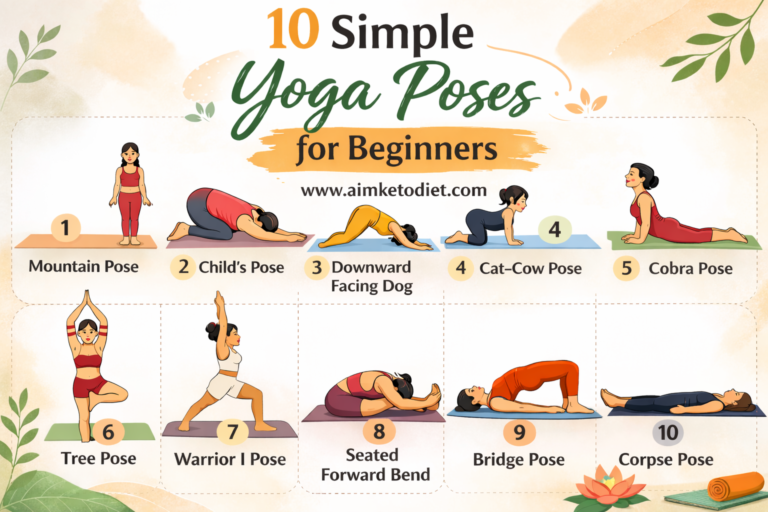
When starting yoga at home, it is best to begin with simple and gentle poses. These poses help the body become familiar with movement patterns and allow beginners to develop confidence.
Basic standing poses help improve balance and posture. Seated poses encourage flexibility in the hips and spine. Gentle stretches for the back and shoulders can reduce stiffness and promote relaxation.
The key is to move slowly and pay attention to how your body feels. Yoga is not a competition or a performance. Each pose should feel comfortable and supportive rather than painful.
Holding each pose for a few breaths allows the body to settle and helps improve body awareness. Over time, these simple poses can gradually improve flexibility and strength.
Beginners should avoid pushing too hard or forcing their bodies into difficult positions. Progress in yoga comes from patience and regular practice.
Listening to Your Body
One of the most important principles of yoga is listening to your body. Everyone’s body is different, and what feels comfortable for one person may not feel the same for another.
If a pose feels painful or uncomfortable, it is important to stop and adjust the position. Gentle stretching is beneficial, but sharp pain is a sign that the body needs to relax or change the movement.
Yoga encourages a respectful relationship with the body. Instead of forcing progress, practitioners learn to observe their limits and gradually expand them over time.
This mindful approach helps prevent injuries and makes the practice more enjoyable.
Building a Simple Yoga Routine
Creating a simple routine can make yoga easier to maintain as a daily habit. Beginners often benefit from starting with a short and manageable practice.
A basic routine might begin with a few minutes of slow breathing to relax the mind. This can be followed by gentle stretches for the neck, shoulders, and back.
Next, a few beginner poses can be practiced for flexibility and balance. These movements should be slow and controlled, allowing the body to warm up gradually.
Finally, the session can end with a short relaxation period where the body rests comfortably on the mat. This final relaxation helps the body absorb the benefits of the practice.
Over time, the routine can gradually become longer or include additional poses as confidence grows.
Staying Consistent with Yoga Practice
Consistency is the key to experiencing the long-term benefits of yoga. Even short sessions practiced regularly can lead to noticeable improvements in flexibility, strength, and mental calmness.
One helpful approach is to connect yoga practice with an existing habit. For example, practicing yoga after waking up or before going to bed can make it easier to remember.
Setting realistic expectations also helps maintain consistency. Beginners should focus on enjoying the process rather than achieving perfect poses.
Some days may feel easier than others, and that is completely normal. The important thing is to keep showing up and allowing the practice to grow naturally.
Over time, yoga often becomes more than just an exercise routine. It becomes a valuable part of a balanced lifestyle.
The Long-Term Benefits of Practicing Yoga at Home
As beginners continue practicing yoga at home, they often notice gradual improvements in many areas of life.
The body becomes more flexible and comfortable during daily activities. Muscles feel stronger and more balanced. Posture improves, and tension in the neck and shoulders may decrease.
Mentally, yoga helps reduce stress and promotes calmness. Many practitioners find that they feel more focused and emotionally balanced throughout the day.
Yoga also encourages greater awareness of health habits. People who practice yoga regularly often become more mindful about nutrition, sleep, hydration, and overall lifestyle choices.
For readers exploring wellness practices through Aimketodiet.com, yoga can become an important companion to healthy eating and mindful living. When combined with balanced nutrition and positive daily habits, yoga helps create a foundation for long-term well-being.
Conclusion
Starting yoga at home is one of the simplest and most effective ways to begin a healthier lifestyle. It does not require advanced skills, expensive equipment, or perfect flexibility. All it requires is a willingness to move gently, breathe deeply, and pay attention to your body.
Yoga provides a safe and supportive path toward improved physical health, reduced stress, and greater mental clarity. By practicing regularly and patiently, beginners can gradually develop strength, flexibility, and a deeper connection with their bodies.
For those seeking practical wellness guidance through Aimketodiet.com, yoga offers a natural complement to healthy living practices. It encourages balance, mindfulness, and consistency—qualities that support long-term health and overall life satisfaction.
With a small space at home, a few minutes of daily practice, and an open mindset, anyone can begin their yoga journey and experience the many benefits that this ancient practice continues to offer.