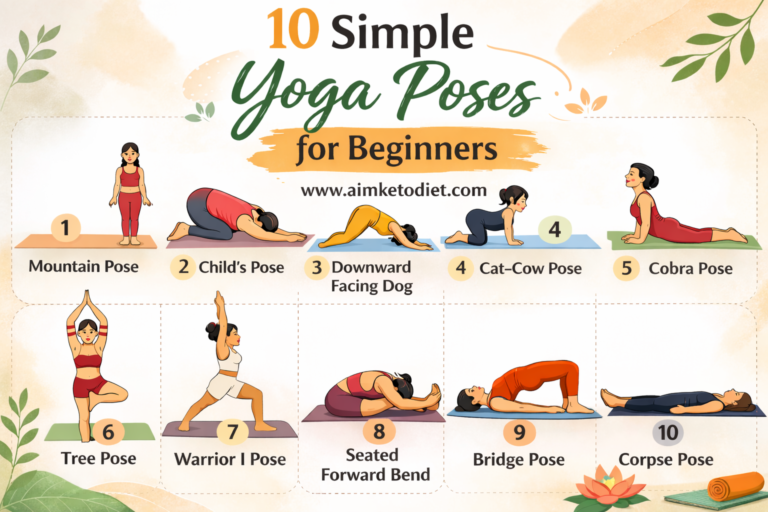
Yoga is one of the most powerful yet gentle practices that people around the world use to improve their health, calm their minds, and create balance in their daily lives. In a fast-paced modern world where stress, sedentary habits, poor posture, and mental fatigue have become common challenges, yoga offers a natural and holistic way to reconnect with the body and mind.
Many people first hear about yoga through fitness trends, social media images, or exercise routines. However, yoga is far more than stretching or physical exercise. It is a complete system that supports physical health, mental clarity, emotional balance, and overall well-being. By combining movement, breathing, awareness, and relaxation, yoga helps people build a healthier relationship with their bodies and their lifestyles.
For readers of Aimketodiet.com, yoga fits perfectly into a lifestyle focused on health, wellness, and mindful living. Whether you are working toward better fitness, managing stress, improving sleep, or maintaining a balanced lifestyle alongside a healthy diet such as keto, yoga can become a valuable daily practice that supports long-term wellness.
This article explores what yoga really is, how it works, and why it is considered one of the most beneficial practices for maintaining overall health.
Understanding What Yoga Really Means
Yoga is an ancient practice that originated thousands of years ago and has evolved into a widely respected method for improving both physical and mental well-being. The word “yoga” comes from a Sanskrit term that means union or connection. This reflects the central idea of yoga: creating harmony between the body, mind, and breath.
Unlike many modern forms of exercise that focus only on physical performance, yoga emphasizes awareness and balance. It teaches individuals to move with intention, breathe consciously, and remain present in the moment. Through this approach, yoga becomes not just a workout but a practice of mindfulness and self-care.
Traditional yoga includes several elements that work together to support health:
Physical postures (asanas) that strengthen and stretch the body
Breathing techniques (pranayama) that regulate breathing and calm the mind
Meditation and awareness that promote mental clarity and emotional balance
Relaxation practices that help the body recover and reduce tension
These elements combine to create a comprehensive system that supports the entire human system rather than focusing on a single aspect of health.
Yoga Is More Than Just Stretching
One of the most common misconceptions about yoga is that it is simply stretching. While flexibility is certainly a benefit of yoga, the practice goes far beyond stretching muscles.
Yoga involves controlled movements that engage different muscle groups, encourage stability, and improve coordination. Many poses require strength, balance, and concentration, which helps develop physical resilience along with flexibility.
For example, standing poses strengthen the legs and improve balance, while seated poses can enhance spinal flexibility and encourage relaxation. Gentle backbends open the chest and improve posture, and twists help maintain mobility in the spine.
Beyond the physical benefits, yoga encourages mindfulness. Practitioners learn to observe how their bodies feel during movement, how their breath flows, and how their minds respond to different experiences. This awareness helps create a deeper understanding of the body and encourages healthier habits.
Because of this combination of movement, breathing, and awareness, yoga becomes a full-body and full-mind practice that supports long-term well-being.
Physical Health Benefits of Yoga
Yoga provides a wide range of physical health benefits that can support people of all ages and fitness levels. One of the most noticeable benefits is improved flexibility. Many people experience tight muscles due to prolonged sitting, lack of movement, or repetitive activities. Yoga gently stretches the muscles and encourages greater mobility in the joints, which can reduce stiffness and improve overall comfort.
Strength is another important benefit of yoga. Many poses use body weight to engage muscles in the arms, legs, core, and back. Over time, regular practice can build functional strength that supports everyday movements such as lifting, bending, and maintaining good posture.
Balance and coordination also improve with yoga practice. Standing poses that require stability train the body to maintain control and awareness of movement. This can be particularly beneficial for older adults or individuals who want to improve their overall physical stability.
Posture improvement is another major advantage. Modern lifestyles often involve long hours of sitting at desks or looking at screens, which can lead to rounded shoulders and back discomfort. Yoga helps open the chest, strengthen the back, and encourage proper alignment, which supports healthier posture.
Yoga also promotes better circulation by encouraging gentle movement throughout the body. Improved circulation helps deliver oxygen and nutrients to tissues and supports overall vitality.
Because yoga focuses on controlled and mindful movement, it is often suitable for people who prefer a low-impact approach to exercise.
Mental and Emotional Benefits of Yoga
In addition to physical health benefits, yoga is widely recognized for its positive effects on mental and emotional well-being. Many people begin practicing yoga to reduce stress and improve their overall mood.
Yoga encourages deep and steady breathing, which can help calm the nervous system. When breathing slows down and becomes more controlled, the body often shifts from a state of tension to a state of relaxation. This can reduce feelings of anxiety and help people feel more centered.
The mindful nature of yoga also helps quiet the constant mental chatter that many people experience throughout the day. By focusing attention on the breath and movement, practitioners can step away from worries about the past or future and become more present in the moment.
This mental clarity can improve focus, productivity, and emotional stability. Many people find that regular yoga practice helps them manage daily stress more effectively and respond to challenges with greater calmness.
Yoga can also support emotional awareness. Through mindful practice, individuals may become more aware of how their bodies and emotions interact. This awareness can encourage healthier responses to stress and promote greater emotional resilience.
How Yoga Supports Better Sleep
Sleep plays a crucial role in maintaining good health, yet many people struggle with insomnia or poor sleep quality. Yoga can help improve sleep by calming the mind and relaxing the body.
Gentle yoga practices in the evening can release physical tension that builds up throughout the day. Stretching the muscles and focusing on slow breathing signals the body that it is time to unwind.
Breathing techniques used in yoga can also reduce the racing thoughts that often prevent people from falling asleep. When the mind becomes quieter and the body feels more relaxed, it becomes easier to transition into restful sleep.
Over time, consistent yoga practice can help establish healthier sleep patterns, allowing the body to recover and function more effectively.
Yoga and Weight Management
Although yoga may not burn as many calories as high-intensity workouts, it can still support healthy weight management in several ways.
First, yoga encourages body awareness and mindfulness, which can help individuals become more conscious of their eating habits and lifestyle choices. This awareness often leads to healthier decisions regarding food, activity, and rest.
Second, yoga helps reduce stress. Stress can trigger emotional eating or cravings for unhealthy foods. By promoting relaxation and emotional balance, yoga may help reduce these patterns.
Third, yoga supports consistency. Because yoga can be practiced at different intensity levels, it is often easier for people to maintain a regular routine. Consistency is one of the most important factors in achieving long-term health and weight goals.
For individuals following a healthy lifestyle plan such as those discussed on Aimketodiet.com, yoga can complement dietary habits by supporting overall wellness and encouraging mindful living.
Yoga for Beginners
One of the most encouraging aspects of yoga is that it is accessible to beginners. You do not need to be flexible, strong, or experienced to start practicing yoga.
Beginners can begin with simple movements, gentle stretches, and basic breathing exercises. Even a short session of ten or fifteen minutes can provide benefits when practiced regularly.
Yoga can also be modified to suit different needs. Poses can be adjusted using props such as cushions, blocks, or chairs, allowing individuals to practice comfortably regardless of their current fitness level.
The key to starting yoga is patience and consistency. Rather than focusing on perfect poses, beginners should focus on listening to their bodies and gradually building confidence through practice.
Common Misconceptions About Yoga
Many people hesitate to try yoga because of misconceptions about the practice. One common belief is that yoga requires extreme flexibility. In reality, flexibility develops over time with practice, and beginners often start with limited mobility.
Another misconception is that yoga is only for certain groups of people. Yoga is suitable for individuals of all ages, backgrounds, and fitness levels. Whether someone is young or older, active or just beginning a health journey, yoga can be adapted to suit their needs.
Some people also assume that yoga is too slow to be effective. However, even gentle yoga practices can have significant effects on strength, mobility, and mental well-being.
Understanding these misconceptions helps make yoga more approachable for those who may have been hesitant to begin.
Building a Consistent Yoga Habit
Consistency is one of the most important factors in experiencing the benefits of yoga. Practicing yoga regularly, even for short periods, can gradually improve flexibility, strength, and mental clarity.
A simple approach is to start with small sessions that fit easily into your daily routine. Practicing yoga in the morning can help energize the body, while evening sessions can promote relaxation and stress relief.
Creating a comfortable space for practice and setting aside a specific time each day can help establish yoga as a regular habit. Over time, what begins as a short daily practice can become an essential part of a healthy lifestyle.
Conclusion
Yoga is far more than a form of exercise. It is a holistic practice that nurtures the body, calms the mind, and encourages a balanced lifestyle. Through mindful movement, controlled breathing, and focused awareness, yoga helps people develop strength, flexibility, mental clarity, and emotional stability.
In a world where many people struggle with stress, inactivity, and unhealthy habits, yoga offers a simple and accessible way to restore balance. It does not require expensive equipment or advanced fitness levels. Instead, it begins with a willingness to slow down, breathe deeply, and move with intention.
For readers who follow the health and lifestyle guidance shared on Aimketodiet.com, yoga can become a valuable companion to other wellness practices such as mindful eating, balanced nutrition, and healthy daily routines. By incorporating yoga into everyday life, individuals can create a foundation for long-term health, improved well-being, and a more balanced lifestyle.