Introduction: The Invisible Link Between Stress and Heart Disease
Stress is a natural part of human life. In short bursts, it helps the body respond to challenges, stay alert, and react quickly to danger. However, when stress becomes chronic and persists for weeks, months, or years, it transforms from a protective mechanism into a damaging force. Chronic stress does not only affect mood or mental clarity — it has profound effects on the heart, blood vessels, metabolism, and overall cardiovascular health.
Modern lifestyles expose individuals to constant psychological and emotional pressure. Work demands, financial concerns, sleep deprivation, sedentary habits, and digital overstimulation all contribute to sustained stress levels. Over time, this persistent stress response disrupts hormonal balance, increases inflammation, elevates blood pressure, and strains the cardiovascular system.
On Aimketodiet.com, the focus is on understanding how lifestyle factors directly influence long-term health. Stress is one of the most underestimated contributors to heart disease. This comprehensive educational guide explains how stress affects the nervous system, hormonal pathways, blood vessels, and heart function, and outlines strategies to protect cardiovascular health.
The Biology of Stress: How the Body Responds
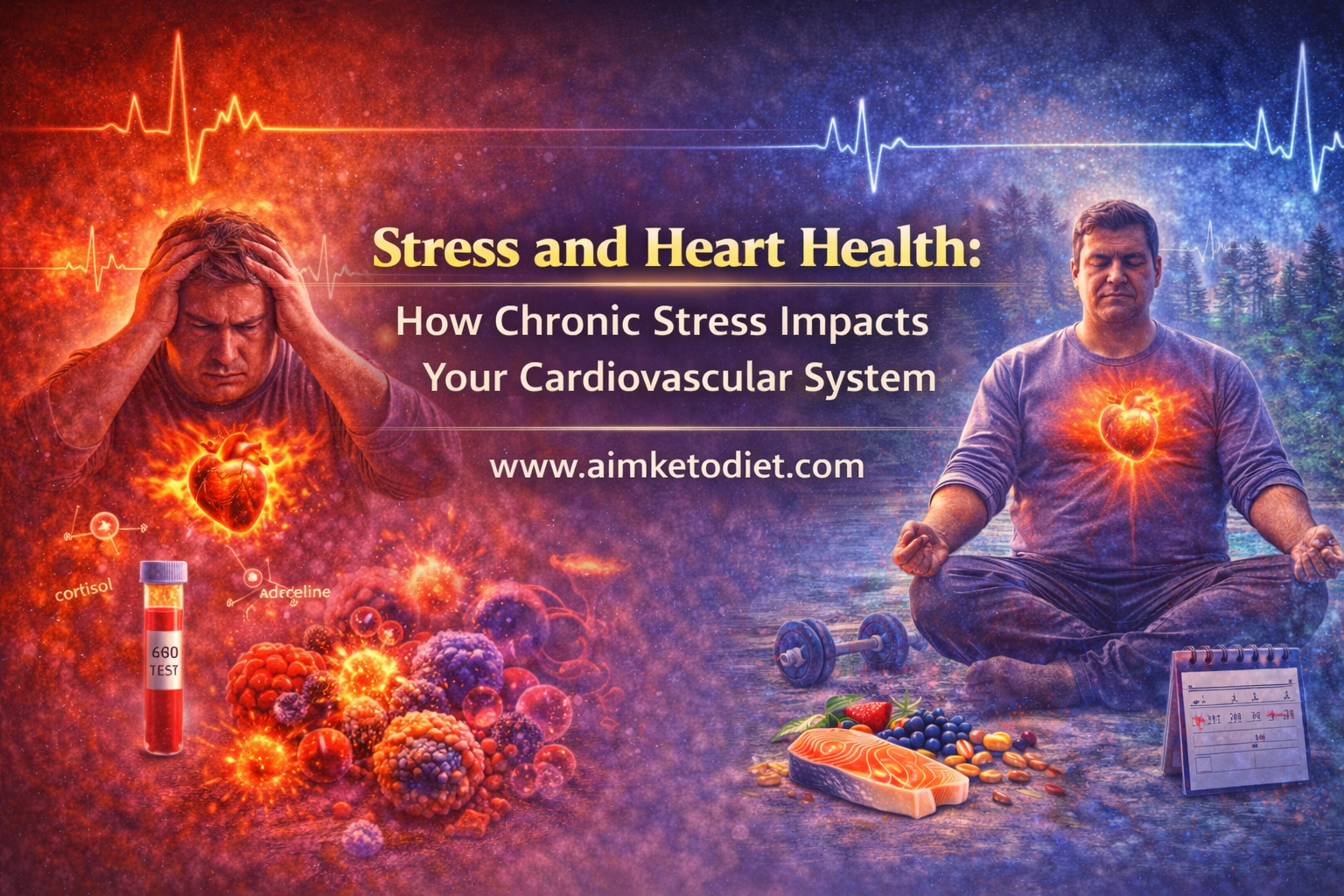
When the brain perceives a threat — whether physical or emotional — it activates the stress response system. This system involves two major components: the sympathetic nervous system and the hypothalamic-pituitary-adrenal (HPA) axis.
The sympathetic nervous system triggers the “fight-or-flight” response. It increases heart rate, raises blood pressure, and redirects blood flow toward muscles. This response prepares the body to act quickly.
Simultaneously, the HPA axis releases stress hormones such as cortisol and adrenaline. These hormones increase blood sugar levels, enhance alertness, and support short-term survival.
In acute situations, this response is beneficial. However, when stress becomes chronic, the body remains in a heightened state of alertness, leading to long-term cardiovascular strain.
Chronic Stress and Elevated Blood Pressure
One of the most direct cardiovascular effects of stress is increased blood pressure.
Stress hormones cause blood vessels to constrict, making it harder for blood to flow smoothly. The heart must pump with greater force to circulate blood through narrowed vessels.
If stress persists, this repeated elevation in blood pressure becomes sustained hypertension. Over time, high blood pressure damages the inner lining of arteries and contributes to plaque formation.
Even mild but chronic elevations can significantly increase heart disease risk.
Stress and Resting Heart Rate
Stress increases resting heart rate by stimulating the sympathetic nervous system.
A higher resting heart rate indicates that the heart is working harder even when the body is at rest. Persistent elevation reduces heart efficiency and increases oxygen demand.
Over time, this can contribute to heart muscle fatigue and increased cardiovascular risk.
Individuals experiencing chronic stress often notice palpitations or a racing heartbeat even without physical exertion.
Stress Hormones and Inflammation
Cortisol plays a central role in the stress response. While cortisol initially suppresses inflammation in acute situations, chronic stress disrupts immune balance.
Long-term elevation of stress hormones can increase inflammatory markers in the body.
Chronic inflammation damages blood vessels and accelerates atherosclerosis. It also destabilizes plaque, increasing the likelihood of clot formation.
This explains why individuals with high stress levels may have increased risk of heart attack even without obvious cholesterol abnormalities.
Stress and Metabolic Dysfunction
Stress significantly influences metabolic health.
Cortisol increases blood sugar by stimulating glucose production in the liver. This ensures immediate energy availability during acute stress.
However, chronic elevation of blood sugar contributes to insulin resistance. Insulin resistance increases triglycerides and promotes fat storage, particularly in the abdominal region.
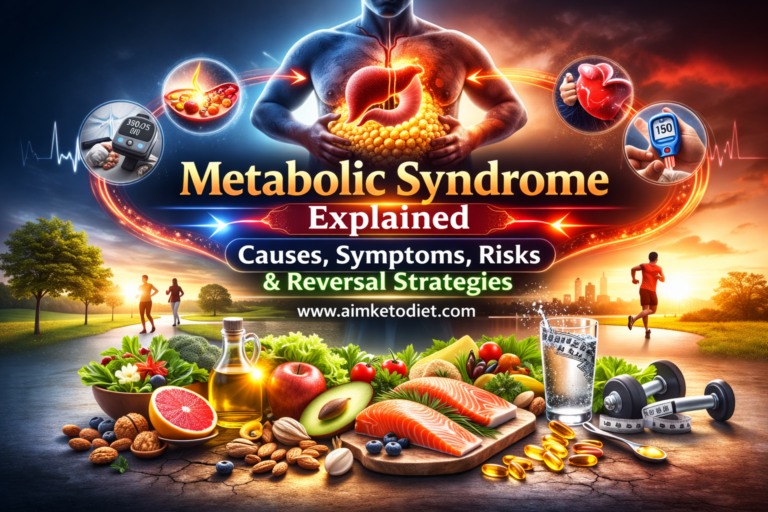
This metabolic shift increases the risk of obesity, metabolic syndrome, and type 2 diabetes — all of which are strongly linked to heart disease.
Stress and Emotional Eating
Chronic stress alters appetite regulation.
Elevated cortisol levels increase cravings for high-calorie, high-sugar foods. This behavior is often referred to as stress eating.
Excess calorie intake contributes to weight gain and metabolic imbalance.
Abdominal fat accumulation further increases inflammation and cardiovascular strain.
Breaking this cycle requires awareness of emotional triggers and structured lifestyle interventions.
Stress and Sleep Disruption
Sleep plays a vital role in cardiovascular recovery.
Chronic stress interferes with sleep quality by maintaining heightened nervous system activity.
Poor sleep increases blood pressure, elevates resting heart rate, and disrupts hormonal balance.
Sleep deprivation also increases inflammatory markers and impairs glucose metabolism.
Restoring sleep quality significantly improves heart health.
Psychological Stress and Heart Events
Research shows that intense emotional stress can trigger acute heart events.
Sudden stress increases adrenaline levels dramatically. This can cause temporary narrowing of coronary arteries and increase heart workload.
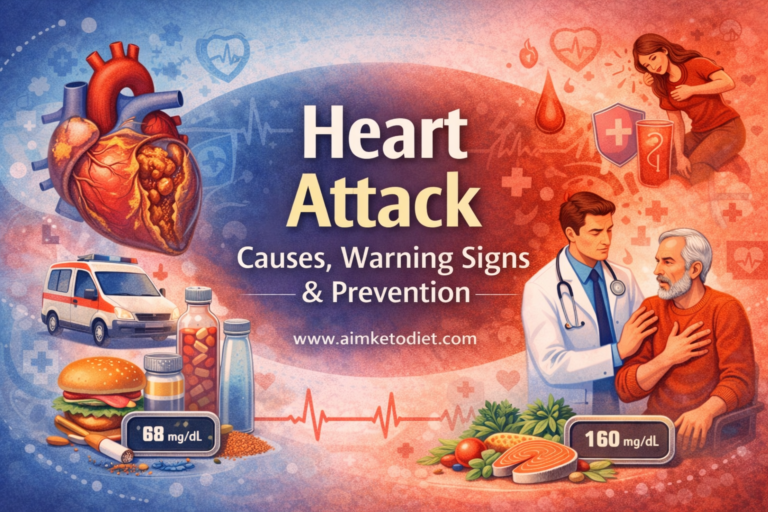
In susceptible individuals, this may trigger heart attack or stress-induced cardiomyopathy.
Chronic psychological stress gradually increases long-term cardiovascular risk.
Stress and Blood Clot Formation
Stress influences blood clotting mechanisms.
Elevated stress hormones increase platelet activation, making blood more prone to clotting.
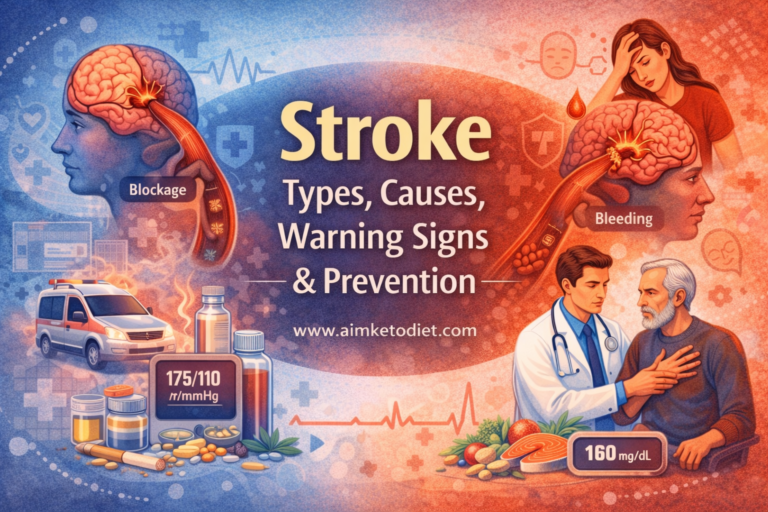
While this response evolved as a survival mechanism during injury, chronic activation increases the risk of clot-related events such as heart attack and stroke.
Maintaining hormonal balance reduces this risk.
Long-Term Cardiovascular Impact of Chronic Stress
Persistent stress creates a cascade of harmful effects:
Elevated blood pressure
Increased heart rate
Chronic inflammation
Insulin resistance
Plaque instability
Increased clot formation
Over time, these factors compound and significantly increase the likelihood of heart disease.
Understanding these mechanisms highlights the importance of stress management as part of cardiovascular prevention.
Strategies to Reduce Stress and Protect the Heart
Managing stress requires a combination of behavioral, psychological, and physiological approaches.
Regular physical activity reduces stress hormone levels and improves cardiovascular resilience.
Mindfulness practices and deep breathing activate the parasympathetic nervous system, promoting relaxation.
Structured daily routines provide stability and reduce unpredictability.
Balanced nutrition supports metabolic stability and reduces stress-induced cravings.
Social connection and supportive relationships buffer psychological stress.
Adequate sleep restores nervous system balance and reduces inflammation.
Sustainable stress management practices significantly improve long-term heart health.
The Nervous System Balance
The autonomic nervous system consists of two branches: sympathetic (activating) and parasympathetic (calming).
Chronic stress overactivates the sympathetic branch.
Practices such as meditation, slow breathing, yoga, and nature exposure stimulate the parasympathetic system.
Restoring balance between these systems reduces heart strain.
Monitoring Stress-Related Cardiovascular Risk
Regular monitoring of blood pressure, resting heart rate, and metabolic markers helps detect stress-related changes early.
Tracking lifestyle patterns and emotional triggers supports preventive strategies.
Professional guidance may be beneficial when stress becomes overwhelming.
Conclusion
Stress is not merely a psychological experience — it is a powerful physiological force that directly impacts cardiovascular health. Chronic stress activates hormonal and nervous system pathways that elevate blood pressure, increase heart rate, promote inflammation, disrupt metabolism, and destabilize arterial plaque.
Understanding the biological link between stress and heart disease empowers individuals to take proactive steps toward prevention. Managing stress through exercise, balanced nutrition, sleep restoration, mindfulness, and emotional regulation significantly reduces cardiovascular risk.
Aimketodiet.com is committed to providing educational health content that explains how daily habits and mental well-being influence long-term heart health. Protecting the heart requires not only managing cholesterol and blood pressure but also addressing stress at its root.
A calm mind supports a strong heart.