Introduction: Why Inflammation Is the Hidden Driver of Heart Disease
Heart disease is often described in terms of cholesterol, blood pressure, or blocked arteries. However, modern medical research shows that inflammation is one of the most important underlying processes behind cardiovascular damage. It is not just a side effect — it is a central mechanism that drives artery injury, plaque formation, and eventually heart attack or stroke.
Inflammation is the body’s natural response to injury or infection. In the short term, it is protective and essential for healing. But when inflammation becomes chronic and persists for months or years, it begins to damage tissues, including blood vessels. This persistent low-grade inflammation is now recognized as a key contributor to atherosclerosis, metabolic disorders, and cardiovascular disease.
On Aimketodiet.com, the goal is to provide deep educational understanding of health conditions at the root level. Understanding inflammation explains why obesity, insulin resistance, stress, poor diet, and sedentary lifestyle all increase heart disease risk. This guide explores the biological processes behind inflammation, how it damages arteries, the role of immune responses, and strategies to reduce inflammation and protect heart health.
Acute vs Chronic Inflammation: Understanding the Difference
Inflammation can occur in two forms: acute and chronic.
Acute inflammation is short-term and beneficial. When the body experiences injury, infection, or tissue damage, immune cells rush to the affected area. Blood flow increases, bringing nutrients and defense cells. This process leads to redness, swelling, warmth, and healing.
Chronic inflammation is different. Instead of resolving after healing, the immune system remains active. This ongoing inflammatory response slowly damages tissues over time. Unlike acute inflammation, it often occurs silently without visible symptoms.
In cardiovascular disease, chronic inflammation continuously injures blood vessel walls, creating the conditions necessary for plaque formation.
The Immune System’s Role in Cardiovascular Damage
The immune system plays a central role in both protection and disease development.
When artery walls are damaged by factors such as high blood pressure, smoking, or oxidative stress, the immune system identifies the damage as a threat. White blood cells move to the site to repair the tissue.
However, in chronic inflammation, this response becomes excessive. Instead of healing the vessel, immune cells release inflammatory chemicals that further damage the artery lining.
This creates a cycle:
Damage → immune response → inflammation → more damage.
Over time, this cycle weakens blood vessels and promotes plaque buildup.
Endothelial Dysfunction: The First Step Toward Heart Disease
The inner lining of blood vessels is called the endothelium. It plays a critical role in regulating blood flow, preventing clot formation, and maintaining vascular flexibility.
Chronic inflammation damages the endothelium. This condition is known as endothelial dysfunction.
When endothelial cells are injured:
Blood vessels lose flexibility
Blood flow becomes irregular
Cholesterol deposits accumulate more easily
Clot formation risk increases
Endothelial dysfunction is often the earliest stage of cardiovascular disease.
Cytokines and Inflammatory Markers
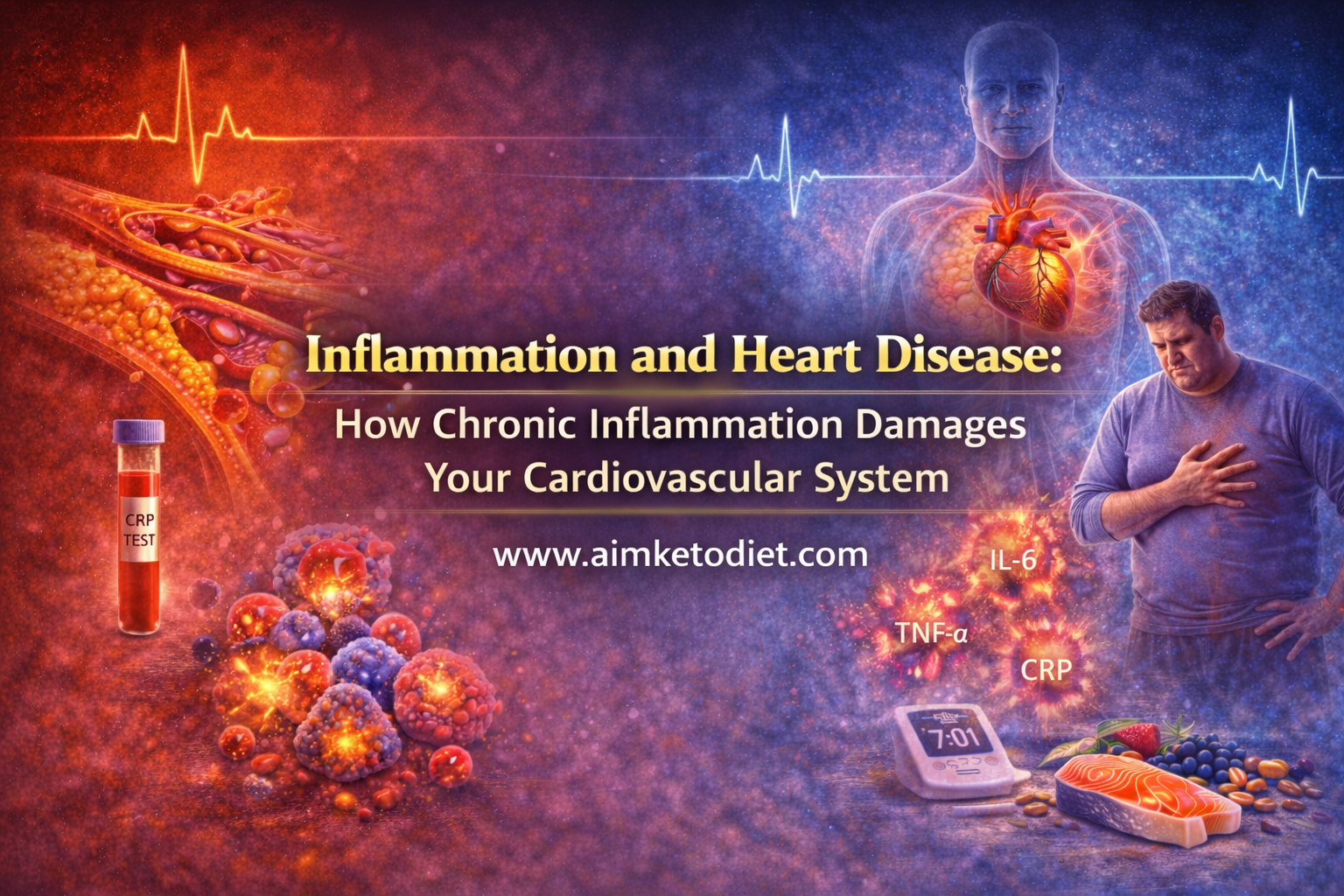
Inflammation involves chemical messengers called cytokines. These molecules coordinate immune responses and signal inflammation.
Key inflammatory markers include:
C-reactive protein (CRP), produced by the liver in response to inflammation. Elevated CRP levels are associated with higher cardiovascular risk.
Interleukin-6 (IL-6), which promotes inflammatory reactions and contributes to plaque formation.
Tumor necrosis factor-alpha (TNF-alpha), which interferes with insulin signaling and promotes vascular inflammation.
These substances circulate in the bloodstream and influence how arteries respond to injury.
Persistent elevation of these markers indicates ongoing inflammation.
Oxidative Stress and Free Radicals
Oxidative stress is a major driver of inflammation.
It occurs when harmful molecules called free radicals accumulate in the body. Free radicals damage cells, proteins, and DNA.
When blood vessels are exposed to oxidative stress:
Endothelial cells become damaged
LDL cholesterol becomes oxidized
Immune response intensifies
Plaque formation accelerates
Poor diet, pollution, smoking, and metabolic disorders increase oxidative stress.
Reducing oxidative damage helps control inflammation.
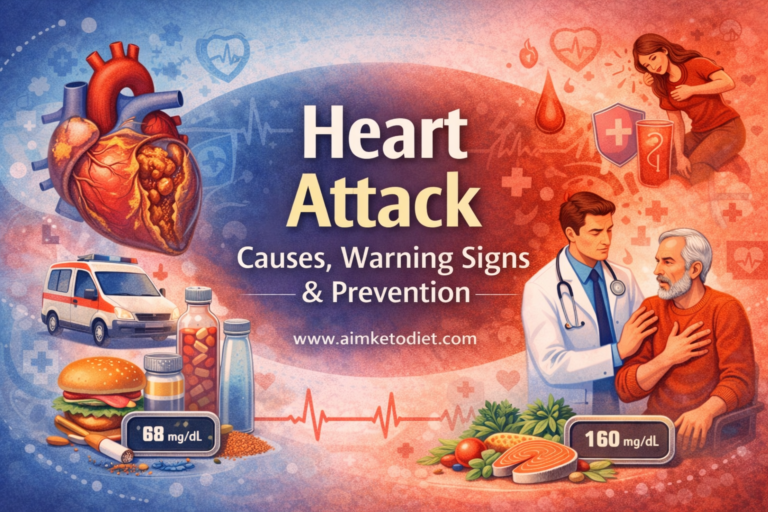
Inflammation and Atherosclerosis: Step-by-Step Process
Atherosclerosis is not just a cholesterol problem; it is an inflammatory disease.
The process begins when endothelial damage allows LDL cholesterol to enter artery walls.
Immune cells attempt to remove the cholesterol, triggering inflammation.
Over time:
Fatty streaks form
Plaque develops
Artery walls thicken
Blood flow narrows
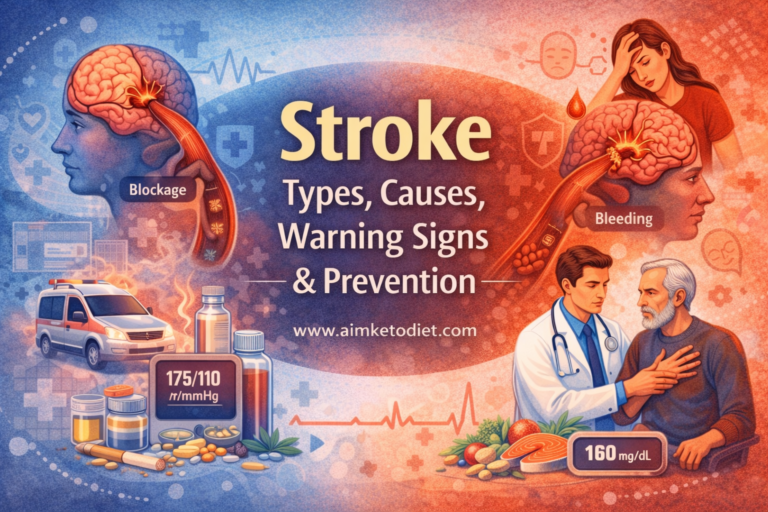
Inflammation weakens plaque stability. If plaque ruptures, a clot forms, blocking blood flow.
This blockage can cause heart attack or stroke.
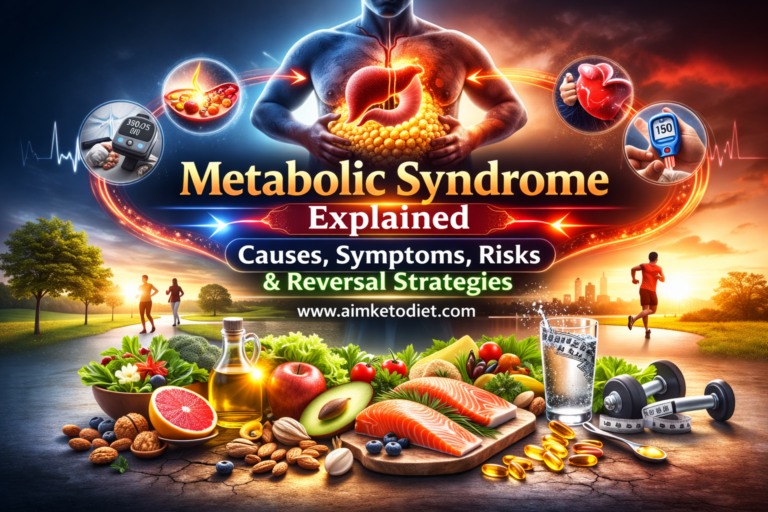
Metabolic Inflammation and Obesity
Obesity is closely linked with chronic inflammation.
Fat tissue is biologically active and releases inflammatory chemicals. Enlarged fat cells produce cytokines that circulate in the bloodstream.
Visceral fat, located around abdominal organs, produces the highest inflammatory activity.
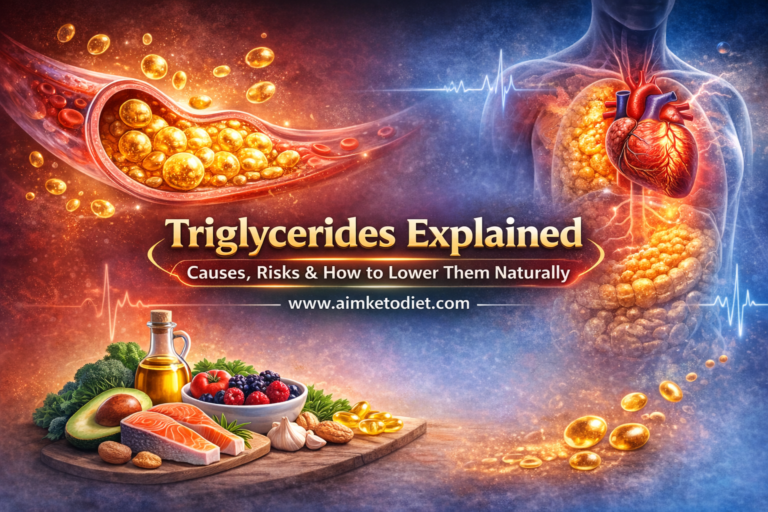
This leads to:
Insulin resistance
Elevated triglycerides
Increased cardiovascular risk
Metabolic inflammation creates a persistent stress environment for the heart and blood vessels.
Inflammation and Insulin Resistance
Insulin resistance and inflammation reinforce each other.
When inflammation interferes with insulin signaling, blood sugar regulation becomes impaired.
High insulin levels stimulate fat storage and triglyceride production.
Elevated blood sugar further increases inflammatory activity.
This cycle contributes to metabolic syndrome and cardiovascular disease.
Gut Inflammation and Cardiovascular Health
The digestive system plays an important role in regulating inflammation.
An unhealthy gut microbiome can trigger systemic inflammation.
Poor dietary habits, processed foods, and excess sugar disrupt gut balance, allowing inflammatory substances to enter circulation.
This condition, sometimes referred to as increased intestinal permeability, contributes to chronic inflammation affecting the heart.
Healthy digestion supports cardiovascular health.
Nervous System and Inflammatory Response
The nervous system influences inflammation through stress hormones.
Chronic stress activates the sympathetic nervous system and increases cortisol levels.
Short-term stress responses are protective, but long-term activation promotes inflammation.
Stress also increases blood pressure and heart rate, amplifying cardiovascular strain.
Balancing nervous system activity helps reduce inflammation.
Long-Term Effects of Chronic Inflammation
Persistent inflammation affects multiple organs.
It accelerates plaque formation in arteries.
It increases risk of heart attack and stroke.
It contributes to metabolic syndrome and diabetes.
It affects brain health and cognitive function.
Over time, inflammation becomes a central driver of chronic disease progression.
Scientific Strategies to Reduce Inflammation
Reducing inflammation requires addressing both lifestyle and metabolic factors.
Regular physical activity stimulates anti-inflammatory pathways and improves vascular health.
Balanced nutrition rich in antioxidants protects cells from oxidative damage.
Weight management reduces inflammatory chemical release from fat tissue.
Stress management lowers cortisol-driven inflammation.
Adequate sleep allows immune regulation and tissue repair.
Avoiding smoking reduces vascular injury.
Sustainable lifestyle habits gradually reduce inflammatory burden.
Monitoring Inflammation
Inflammation can be assessed through medical testing.
C-reactive protein levels provide insight into systemic inflammation.
Lipid profile and blood sugar tests help identify metabolic contributors.
Regular monitoring allows early intervention.
Conclusion
Inflammation is a powerful biological process that plays a central role in heart disease development. While it protects the body in the short term, chronic inflammation damages blood vessels, promotes plaque formation, and increases the risk of heart attack and stroke.
Understanding how inflammation works at the biological level helps explain the connection between obesity, metabolic disorders, stress, and cardiovascular disease.
Aimketodiet.com is committed to providing deep educational health content that empowers individuals to understand these mechanisms and take preventive action. By addressing inflammation through lifestyle, nutrition, metabolic balance, and stress management, long-term heart health can be protected.
Reducing inflammation is one of the most effective ways to prevent cardiovascular disease and improve overall health.