Introduction to High Blood Pressure
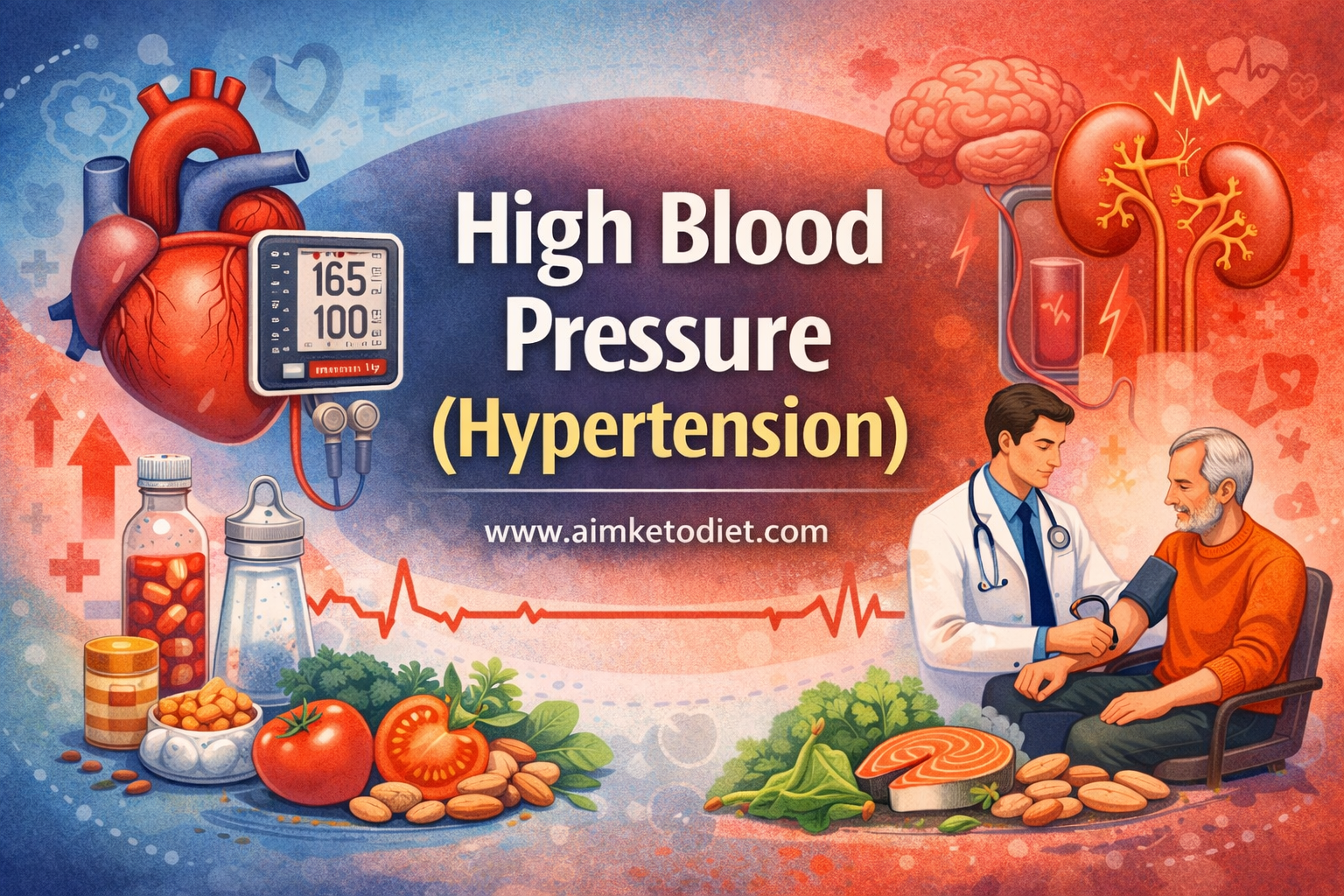
High blood pressure, also known as hypertension, is one of the most common yet silent health conditions affecting millions of people worldwide. It develops gradually and often shows no obvious symptoms in its early stages, which is why it is frequently called the “silent killer.” Despite the absence of symptoms, uncontrolled hypertension can quietly damage the heart, brain, kidneys, and blood vessels over time.
On Aimketodiet.com, health awareness and preventive education are central to promoting long-term wellness. Understanding high blood pressure is essential because it is closely linked to lifestyle, nutrition, stress, metabolic health, and body weight. With the right knowledge and consistent habits, hypertension can be prevented, managed, and even reversed in some cases.
This comprehensive guide explains what high blood pressure is, its causes, symptoms, risk factors, complications, diagnosis, treatment options, and natural lifestyle strategies for maintaining healthy blood pressure levels.
What Is Blood Pressure?
Before understanding hypertension, it is important to understand blood pressure itself. Blood pressure is the force exerted by circulating blood against the walls of the arteries. It ensures that oxygen and nutrients reach all organs and tissues.
Blood pressure is measured in millimeters of mercury (mmHg) and recorded using two numbers:
Systolic pressure – The top number, representing the pressure when the heart contracts and pumps blood.
Diastolic pressure – The bottom number, representing the pressure when the heart relaxes between beats.
A normal reading is typically around 120/80 mmHg.
High blood pressure occurs when these numbers remain consistently elevated above the normal range.
What Is High Blood Pressure (Hypertension)?
High blood pressure is diagnosed when blood pressure readings consistently exceed normal limits. Generally:
Elevated blood pressure: 120–129 systolic and less than 80 diastolic
Hypertension Stage 1: 130–139 systolic or 80–89 diastolic
Hypertension Stage 2: 140/90 mmHg or higher
When blood pressure remains high for a prolonged period, it increases strain on the heart and blood vessels. Over time, this strain leads to structural damage in arteries, making them stiff and narrow. This restricts blood flow and increases the risk of serious complications.
Types of High Blood Pressure
Primary (Essential) Hypertension
This is the most common type and develops gradually over many years. It does not have a single identifiable cause but is linked to genetics, lifestyle, aging, and environmental factors.
Secondary Hypertension
This type occurs due to an underlying medical condition such as kidney disease, hormonal disorders, or certain medications. It often appears suddenly and may cause higher blood pressure levels compared to primary hypertension.
Causes of High Blood Pressure
Hypertension can develop due to multiple factors working together.
Unhealthy Diet
A diet high in salt (sodium), processed foods, refined sugars, and unhealthy fats contributes significantly to elevated blood pressure. Excess sodium causes the body to retain water, increasing blood volume and pressure on arterial walls.
Physical Inactivity
Lack of exercise weakens the heart muscle. When the heart is less efficient, it must work harder to pump blood, raising pressure in the arteries.
Obesity and Excess Body Weight
Excess weight increases the demand for oxygen and nutrients in tissues, forcing the heart to pump more blood. This additional workload raises blood pressure over time.
Chronic Stress
Persistent stress triggers the release of hormones like adrenaline and cortisol, which temporarily increase heart rate and narrow blood vessels. Long-term stress can contribute to sustained hypertension.
Smoking and Alcohol
Nicotine constricts blood vessels and damages arterial walls. Excess alcohol disrupts hormonal balance and increases blood pressure levels.
Genetics
A family history of hypertension increases the likelihood of developing the condition.
Symptoms of High Blood Pressure
One of the most dangerous aspects of hypertension is that it often produces no noticeable symptoms in its early stages.
However, when blood pressure becomes severely elevated, symptoms may include:
Persistent headaches
Shortness of breath
Nosebleeds
Chest pain
Blurred vision
Fatigue
These symptoms usually appear when blood pressure levels are dangerously high and require immediate medical attention.
Why High Blood Pressure Is Dangerous
High blood pressure damages arteries by causing them to thicken and harden. Over time, this damage affects major organs.
Heart Complications
Hypertension forces the heart to work harder, which can lead to heart enlargement, heart failure, coronary artery disease, and heart attack.
Brain Damage
High blood pressure increases the risk of stroke and may contribute to cognitive decline and memory problems.
Kidney Damage
The kidneys rely on healthy blood vessels to filter waste. Hypertension can damage these vessels, leading to chronic kidney disease.
Vision Problems
High pressure can damage blood vessels in the eyes, causing vision loss.
Risk Factors for Hypertension
Certain individuals are more prone to high blood pressure.
Age
The risk increases with age as arteries naturally lose elasticity.
Family History
Genetic predisposition plays a role in blood pressure regulation.
Sedentary Lifestyle
Lack of movement reduces cardiovascular efficiency.
Poor Dietary Habits
High salt and processed food intake increase risk.
Metabolic Disorders
Conditions like diabetes and insulin resistance are closely linked to hypertension.
Diagnosis of High Blood Pressure
High blood pressure is diagnosed through repeated measurements using a blood pressure monitor. Since blood pressure fluctuates throughout the day, doctors usually take multiple readings over time before confirming a diagnosis.
Additional tests may include blood tests, urine tests, ECG, and kidney function assessments to evaluate organ health.
Medical Treatment for High Blood Pressure
Treatment depends on severity and individual health status.
Doctors may prescribe medications such as:
Diuretics to remove excess sodium and water
ACE inhibitors to relax blood vessels
Beta-blockers to reduce heart workload
Calcium channel blockers to improve arterial relaxation
Medication is often combined with lifestyle modifications for better results.
Natural Ways to Manage High Blood Pressure
Lifestyle changes play a powerful role in managing hypertension.
Balanced Nutrition
A diet rich in vegetables, fruits, whole grains, lean protein, and healthy fats supports cardiovascular health. Reducing sodium intake is especially important.
Potassium-rich foods such as bananas, spinach, and avocados help balance sodium levels and support healthy blood pressure.
Regular Physical Activity
Exercise strengthens the heart muscle, allowing it to pump blood more efficiently. Activities like brisk walking, cycling, swimming, and yoga can significantly lower blood pressure.
Weight Management
Losing even a small amount of weight can reduce strain on the heart and lower blood pressure levels.
Stress Reduction
Practices such as meditation, deep breathing, and adequate sleep help regulate stress hormones.
Limiting Alcohol and Avoiding Smoking
Reducing alcohol intake and quitting smoking greatly improves vascular health.
High Blood Pressure and Diet Approaches
Low-carbohydrate and whole-food-based dietary patterns may help improve metabolic health and support blood pressure control. Proper hydration and balanced electrolytes are essential.
On Aimketodiet.com, emphasis is placed on sustainable, informed dietary choices that support heart health and overall wellness.
Preventing High Blood Pressure
Prevention begins with daily habits:
Maintain a healthy body weight
Eat fresh, whole foods
Reduce processed food intake
Stay physically active
Manage stress effectively
Monitor blood pressure regularly
Early prevention reduces long-term complications.
When to Seek Medical Help
Immediate medical care is required if blood pressure readings exceed 180/120 mmHg or if symptoms such as chest pain, difficulty breathing, severe headache, or vision changes occur.
Regular checkups are important for early detection.
Conclusion
High blood pressure is a common yet serious condition that can quietly damage the body over time. Although it may not cause noticeable symptoms initially, its long-term effects on the heart, brain, kidneys, and blood vessels can be severe.
The good news is that hypertension is largely preventable and manageable through lifestyle adjustments, proper nutrition, physical activity, stress management, and medical guidance when necessary.
Aimketodiet.com is dedicated to providing educational health content that empowers you to understand your body, monitor vital signs, and make informed decisions for long-term cardiovascular health.
Awareness, consistency, and preventive action are the keys to maintaining healthy blood pressure and protecting your future well-being.