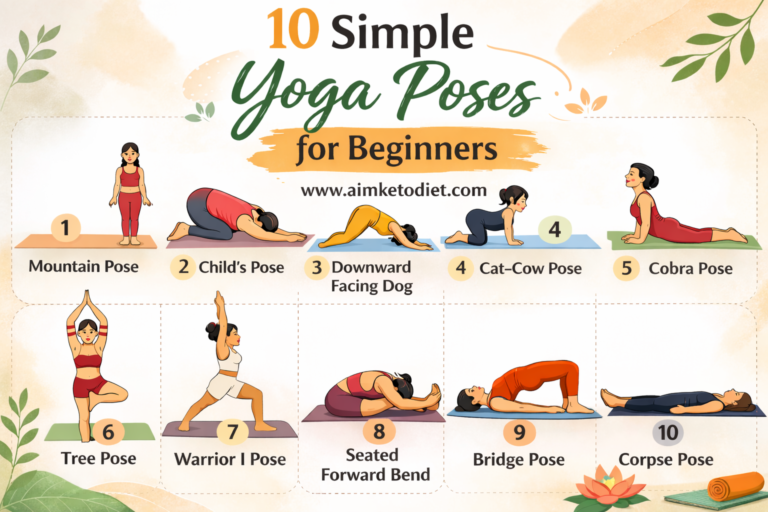
Yoga has become one of the most popular wellness practices around the world because it offers a balanced approach to improving both physical health and mental well-being. Many people begin practicing yoga to improve flexibility, reduce stress, strengthen the body, or simply create a healthier daily routine. However, one of the most common questions beginners ask is: How often should I practice yoga to see real results?
The answer to this question is not the same for everyone. Yoga is a flexible practice that can be adapted to different lifestyles, fitness levels, and personal goals. Some people prefer practicing yoga every day, while others may benefit from practicing a few times per week. The key to achieving the best results from yoga is not just about frequency but also about consistency, proper technique, and listening to the body.
For readers of Aimketodiet.com, understanding how often to practice yoga is especially important because yoga works beautifully alongside healthy lifestyle choices such as balanced nutrition, mindful living, and sustainable wellness habits. When practiced regularly, yoga can help improve energy levels, support mental clarity, enhance physical strength, and promote long-term health.
In this detailed guide, we will explore how often beginners should practice yoga, how long each session should last, and how to build a consistent yoga routine that delivers lasting benefits.
Why Consistency Matters More Than Intensity
When people start yoga, they sometimes believe that practicing for long hours will produce faster results. However, yoga works differently from many other forms of exercise. In yoga, consistency is far more important than intensity.
Practicing yoga for a short time every day can be much more beneficial than doing a long session only once in a while. Regular practice allows the body to gradually adapt to movements and improves flexibility, balance, and strength over time.
Consistency also helps the mind become familiar with breathing patterns and relaxation techniques. Over time, this regular practice builds a strong connection between the body and mind, which is one of the core goals of yoga.
Instead of focusing on long or difficult sessions, beginners should aim to build a habit of practicing yoga regularly.
Ideal Yoga Frequency for Beginners
For beginners, starting with three to four yoga sessions per week is usually a good approach. This allows the body to gradually become comfortable with the movements while also providing enough time for rest and recovery.
During the early stages of yoga practice, muscles and joints may feel slightly tight or sore as the body adjusts to new movements. Practicing several times per week gives the body time to adapt while still maintaining progress.
Once beginners feel comfortable with the poses and breathing techniques, they may gradually increase the frequency of practice. Many experienced yoga practitioners enjoy practicing yoga almost every day, but beginners should take time to build their routine gradually.
The goal is to create a practice schedule that feels sustainable and enjoyable rather than overwhelming.
Is It Safe to Practice Yoga Every Day?
One of the most common questions people ask is whether it is safe to practice yoga every day. The answer is generally yes, but it depends on the type and intensity of the yoga practice.
Gentle forms of yoga, such as stretching routines, breathing exercises, and relaxation-focused practices, can be done daily without putting excessive strain on the body. These types of sessions often help improve flexibility, reduce stress, and promote relaxation.
However, more physically demanding styles of yoga may require occasional rest days to allow muscles to recover. Just like any form of physical activity, the body benefits from periods of rest and recovery.
Daily yoga does not always mean performing intense poses every day. Some days may include gentle stretching, meditation, or breathing exercises, which still provide many health benefits.
How Long Should a Yoga Session Be?
The length of a yoga session can vary depending on a person’s schedule and experience level. Beginners do not need to practice for long periods in order to experience the benefits of yoga.
A typical yoga session for beginners may last between 20 and 30 minutes. This amount of time is usually enough to perform a warm-up, practice several poses, and end with relaxation.
As practitioners gain experience, they may choose to extend their sessions to 45 minutes or even an hour. Longer sessions allow for deeper stretching, more advanced poses, and additional breathing exercises.
However, even a short 10-minute session can be beneficial if practiced consistently. The most important factor is maintaining regular practice rather than focusing on session length.
Creating a Weekly Yoga Routine
Building a weekly yoga routine can make it easier to stay consistent with practice. A structured routine also helps ensure that the body receives a balanced mix of stretching, strengthening, and relaxation.
A beginner-friendly weekly yoga schedule might look like this:
Monday: Gentle stretching and basic poses
Tuesday: Rest or light breathing exercises
Wednesday: Beginner yoga session with several poses
Thursday: Relaxation and meditation practice
Friday: Strength-building yoga poses
Saturday: Full beginner yoga session
Sunday: Rest or gentle stretching
This type of schedule allows the body to stay active while also providing enough time for recovery.
Listening to Your Body During Yoga Practice
One of the most important aspects of yoga is learning to listen to the body. Unlike competitive sports or high-intensity workouts, yoga encourages practitioners to move at their own pace.
Some days the body may feel energetic and flexible, while on other days it may feel tired or stiff. Paying attention to these signals helps prevent strain and ensures that yoga remains a safe practice.
If the body feels overly tired or sore, it may be helpful to take a rest day or practice gentle stretching instead of intense poses. Respecting the body’s natural limits helps maintain long-term consistency in yoga practice.
Benefits of Practicing Yoga Regularly
When yoga becomes a regular habit, it can provide many physical and mental health benefits. Over time, practitioners often notice improvements in flexibility, posture, balance, and overall strength.
Regular yoga practice also helps reduce stress by calming the nervous system and encouraging mindful breathing. Many people find that yoga improves their sleep quality, energy levels, and overall mood.
For those who follow healthy lifestyle practices promoted by Aimketodiet.com, yoga can be an excellent complement to balanced nutrition and mindful living. Together, these habits create a strong foundation for long-term health.
How to Stay Consistent With Yoga Practice
Staying consistent with yoga practice can sometimes be challenging, especially when life becomes busy. However, there are several strategies that can help maintain regular practice.
Setting a specific time for yoga each day can make the habit easier to maintain. Many people prefer practicing in the morning to start the day with energy and focus, while others enjoy evening sessions to relax after work.
Creating a comfortable space for yoga practice can also make a big difference. A quiet area with a yoga mat and minimal distractions can help make practice more enjoyable.
Setting small, achievable goals is another effective way to stay motivated. Instead of focusing on advanced poses, beginners should celebrate gradual improvements in flexibility and strength.
Signs You May Be Practicing Too Much
Although yoga is generally safe, it is possible to overdo any form of physical activity. Practicing too frequently without adequate rest can lead to fatigue or muscle soreness.
Some signs that yoga practice may be too intense include persistent muscle pain, joint discomfort, or extreme fatigue. If these symptoms occur, it may be helpful to reduce the frequency or intensity of sessions.
Including rest days and relaxation practices such as meditation can help maintain balance in a yoga routine.
Yoga should always leave the body feeling refreshed rather than exhausted.
Combining Yoga With a Healthy Lifestyle
Yoga works best when combined with other healthy lifestyle habits. Proper nutrition, regular sleep, and stress management all contribute to overall wellness.
At Aimketodiet.com, the focus is on building sustainable habits that support both physical health and mental balance. Yoga naturally complements these principles by encouraging mindfulness, movement, and relaxation.
When yoga becomes part of a balanced lifestyle, it can contribute to improved long-term health and a stronger sense of well-being.
Conclusion
Yoga is a powerful practice that offers numerous benefits for the body and mind. However, achieving the best results from yoga does not require intense or complicated routines. Instead, success comes from building a consistent and sustainable practice.
For beginners, practicing yoga three to four times per week is often a good starting point. As the body becomes more comfortable with the movements, practitioners may gradually increase the frequency of their sessions. Some people enjoy practicing yoga daily, while others prefer a few sessions each week.
The most important factors are consistency, proper technique, and listening to the body’s signals. When yoga is practiced regularly and mindfully, it can improve flexibility, reduce stress, enhance physical strength, and support overall health.
At Aimketodiet.com, the goal is to encourage simple and effective habits that promote long-term wellness. Yoga fits perfectly within this philosophy by helping individuals develop balance, mindfulness, and sustainable health practices that can last a lifetime.