Introduction
The human body is designed with a natural defense system that protects it from infections, environmental threats, and internal imbalances. This defense system, known as immunity, works continuously to maintain health and stability. However, modern lifestyles—characterized by irregular routines, stress, poor sleep, and unhealthy food patterns—often weaken this natural protection.
Strong immunity is not built overnight, nor does it depend on a single supplement or remedy. It is the result of consistent daily habits that support the body’s internal balance. Every small action, from what you eat and how you sleep to how you manage stress and stay active, influences immune strength.
At Aimketodiet.com, the emphasis is on sustainable health practices that help individuals build resilience naturally. Instead of relying on quick fixes, long-term immunity develops through balanced nutrition, movement, mental well-being, and restorative rest.
This article explains how immunity works, why it weakens, and which everyday habits help strengthen the body’s natural defense system in a practical and sustainable way.
Understanding the Body’s Defense System
The immune system is a complex network of cells, tissues, and organs working together to protect the body. It identifies harmful microorganisms and responds to eliminate them. It also helps repair damaged tissues and maintain internal balance.
A healthy immune system does not mean never getting sick. It means the body can respond effectively and recover quickly. When immunity weakens, infections become frequent, recovery slows, and energy levels drop.
Daily lifestyle choices play a major role in determining how strong or weak this system becomes.
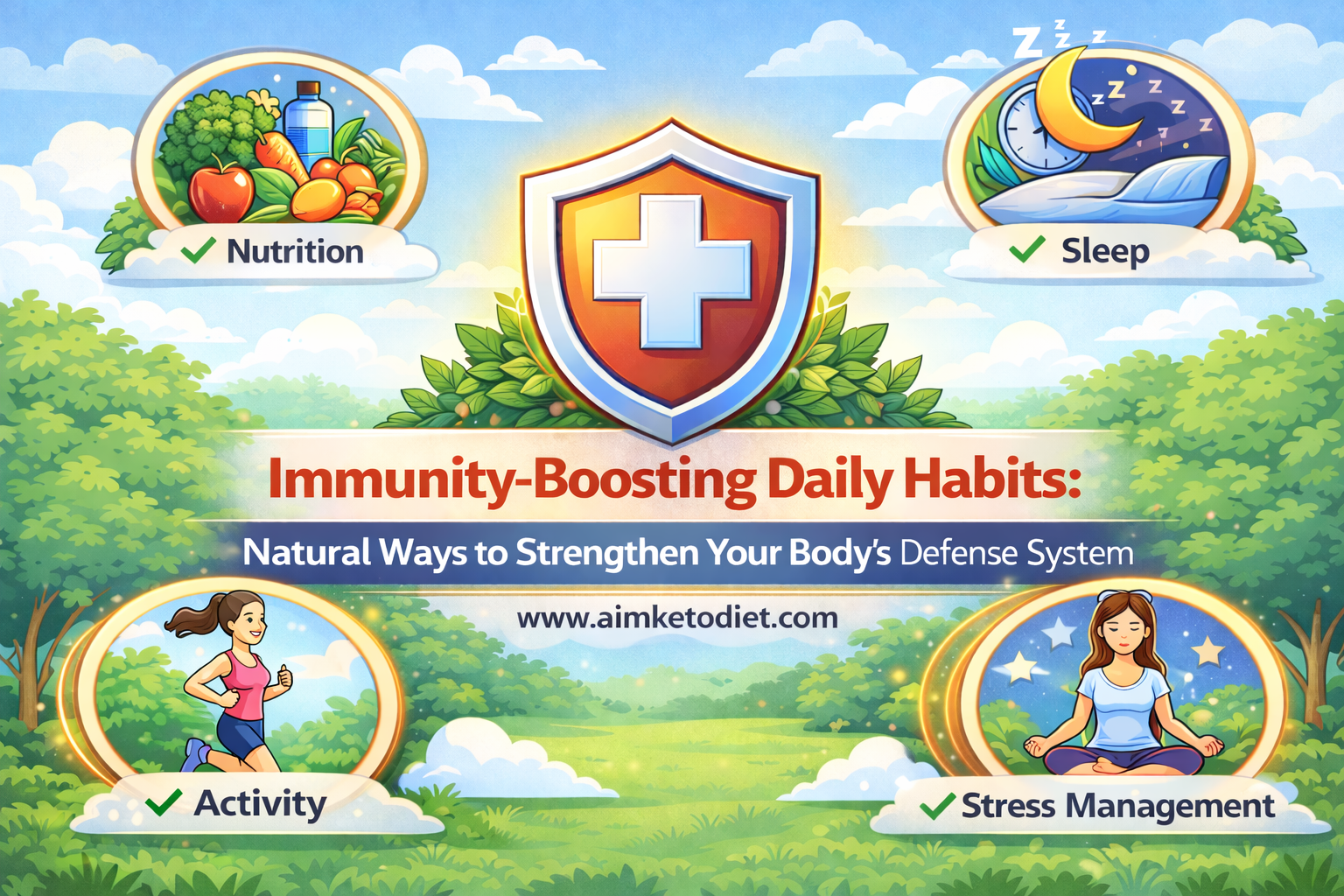
Nutrition and Immune Strength
Food provides the nutrients required for immune cells to function properly. A balanced diet supports the production and activity of protective cells.
Whole foods such as vegetables, fruits, legumes, nuts, and protein-rich foods provide essential vitamins and minerals. These nutrients help the body fight infections and maintain tissue health.
Irregular eating patterns, processed foods, and excessive sugar intake weaken immune response. Balanced meals eaten consistently support internal stability and reduce inflammation.
Hydration also supports immune function by helping the body eliminate toxins and maintain cellular processes.
Sleep and Immune Protection
Sleep is one of the most important contributors to immune health. During sleep, the body repairs tissues, regulates hormones, and produces protective proteins that fight infections.
Lack of sleep weakens the immune response and increases susceptibility to illness. Even minor sleep disturbances can affect recovery and energy levels.
Maintaining consistent sleep patterns supports natural defense mechanisms and improves resilience.
Physical Activity and Immunity
Regular movement supports circulation and enhances the transport of immune cells throughout the body. Exercise improves oxygen flow and supports metabolic health.
Moderate physical activity strengthens immunity, while a sedentary lifestyle weakens it. Activities such as walking, stretching, or light workouts improve overall vitality and help the body respond better to stress and illness.
Consistency is more important than intensity.
Stress and Its Impact on Immune Health
Chronic stress disrupts immune balance. Elevated stress hormones interfere with the body’s ability to defend against infections.
Mental overload, anxiety, and emotional pressure weaken resistance and increase fatigue. Managing stress through relaxation techniques, mindfulness, and outdoor activity helps restore balance.
Emotional health directly influences physical resilience.
Gut Health and Immunity
A large portion of the immune system is connected to the digestive system. Healthy digestion supports nutrient absorption and immune function.
Poor gut health, irregular meals, and unhealthy food choices disrupt internal balance. Supporting digestive health through balanced nutrition and hydration strengthens immunity naturally.
Sunlight and Natural Defense
Exposure to natural light supports vitamin production and circadian rhythm regulation. Sunlight influences mood, sleep patterns, and overall immune stability.
Regular outdoor exposure contributes to improved mental and physical health.
Hydration and Cellular Function
Water supports every biological process in the body. Proper hydration maintains cellular activity, circulation, and detoxification.
Dehydration reduces energy and slows immune response. Drinking water consistently supports overall health.
Routine and Consistency
A structured daily routine helps regulate internal functions. Regular sleep, meals, activity, and relaxation stabilize the body’s systems.
Irregular habits weaken resilience. Consistency builds strength over time.
Avoiding Lifestyle Habits That Weaken Immunity
Certain behaviors gradually weaken the immune system. Lack of sleep, poor diet, inactivity, and excessive stress disrupt balance.
Awareness and correction of these habits restore natural defense mechanisms.
Long-Term Benefits of Strong Immunity
When immunity improves, the body becomes more resilient. Recovery from illness becomes faster, energy levels increase, and overall well-being improves.
Strong immunity supports long-term health and reduces vulnerability to infections and lifestyle-related conditions.
Conclusion
Immunity is not built through occasional effort. It develops through consistent daily habits that support the body’s natural functions. Nutrition, sleep, movement, stress management, hydration, and routine all contribute to strengthening the defense system.
Aimketodiet.com encourages practical, sustainable lifestyle choices that help individuals build resilience naturally. When daily habits align with the body’s needs, immunity improves, energy increases, and health becomes more stable.
Strengthening immunity is a gradual process, but with consistent care and awareness, the body becomes better equipped to protect itself and maintain long-term well-being.