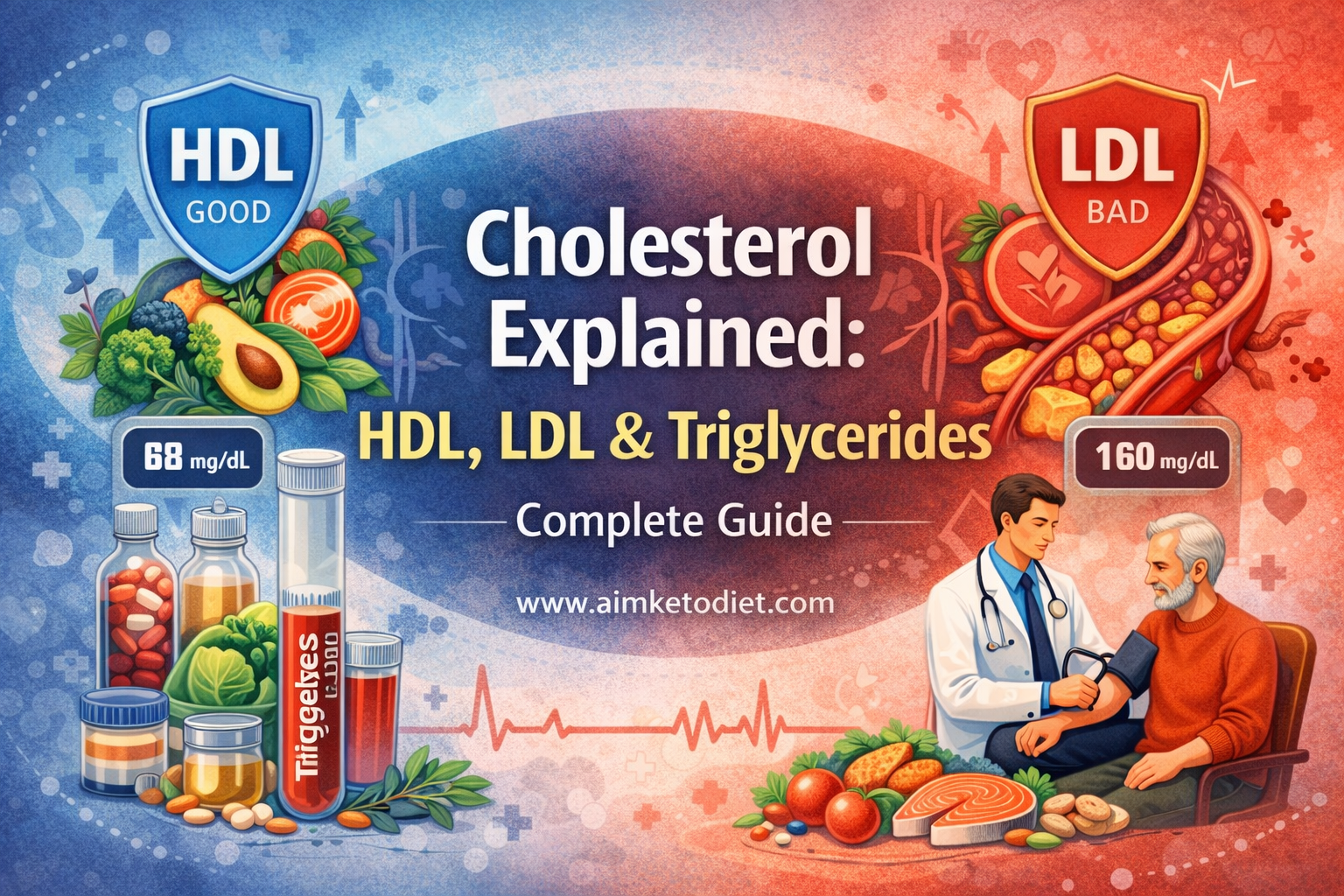
Introduction to Cholesterol and Why It Matters
Cholesterol is one of the most misunderstood substances in human health. Many people assume cholesterol is harmful, but the truth is more complex. Cholesterol is essential for survival because the body needs it to build cells, produce hormones, support digestion, and maintain overall metabolic balance. Problems arise not from cholesterol itself, but from imbalance — particularly when certain types increase beyond healthy levels.
On Aimketodiet.com, the goal is to provide educational and evidence-based health content that helps you understand how your body works and how lifestyle choices influence long-term wellness. Cholesterol plays a major role in heart health, weight management, metabolism, and hormone regulation. Understanding HDL, LDL, and triglycerides is essential for preventing cardiovascular disease, improving energy levels, and supporting metabolic health.
This guide explains cholesterol in simple, clear terms — what it is, how it functions, the difference between good and bad cholesterol, risk factors, symptoms, diagnosis, and natural ways to maintain healthy cholesterol levels.
What Is Cholesterol?
Cholesterol is a waxy, fat-like substance found in every cell of the body. It travels through the bloodstream and is necessary for several important biological functions.
The body uses cholesterol to:
Build and repair cells
Produce hormones such as estrogen, testosterone, and cortisol
Support brain and nerve function
Produce vitamin D
Help the liver create bile acids for digestion
The body produces most of its cholesterol in the liver. Additional cholesterol comes from dietary sources such as meat, eggs, and dairy products.
Cholesterol itself does not dissolve in blood. Instead, it is transported by proteins known as lipoproteins. These lipoproteins determine whether cholesterol is beneficial or harmful.
Types of Cholesterol Explained
Cholesterol is not a single entity. It exists in different forms depending on the type of lipoprotein carrying it through the bloodstream.
HDL Cholesterol (High-Density Lipoprotein)
HDL is commonly referred to as “good cholesterol.” It acts like a cleaning system in the bloodstream. HDL collects excess cholesterol from tissues and arteries and transports it back to the liver, where it is processed and removed from the body.
Higher HDL levels are associated with reduced risk of heart disease because HDL helps prevent plaque buildup in arteries. It protects blood vessels and supports healthy circulation.
Healthy HDL levels contribute to:
Reduced arterial blockage
Improved heart function
Better metabolic balance
Low HDL levels increase cardiovascular risk because the body loses its ability to clear excess cholesterol efficiently.
LDL Cholesterol (Low-Density Lipoprotein)
LDL is known as “bad cholesterol” because it carries cholesterol to tissues and arteries. When LDL levels are high, cholesterol accumulates in arterial walls and forms plaques.
Over time, plaque buildup narrows arteries, reduces blood flow, and increases the risk of heart attack and stroke. This process is called atherosclerosis.
LDL becomes particularly harmful when:
Levels remain consistently high
Blood vessels become inflamed
Oxidative stress damages arterial walls
Managing LDL is essential for cardiovascular health.
Triglycerides
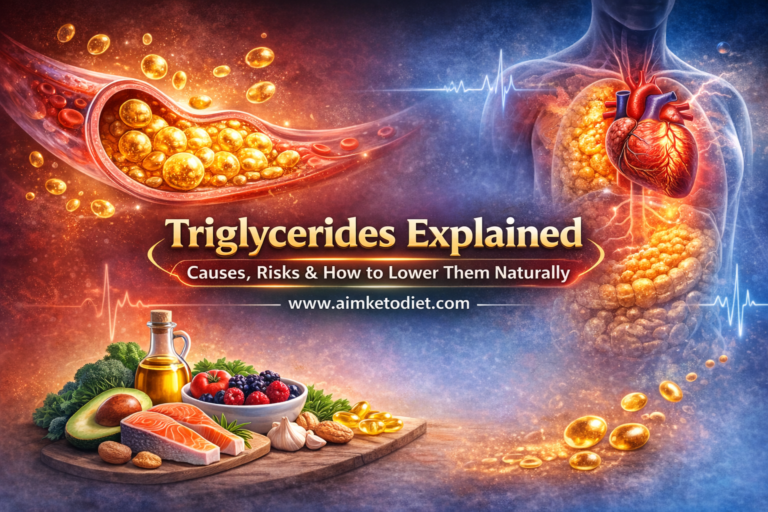
Triglycerides are another type of fat found in the bloodstream. They store unused calories and provide energy between meals.
When calorie intake exceeds energy expenditure, the body converts excess calories into triglycerides and stores them in fat cells. Elevated triglycerides often accompany obesity, insulin resistance, and metabolic disorders.
High triglyceride levels increase the risk of:
Heart disease
Fatty liver disease
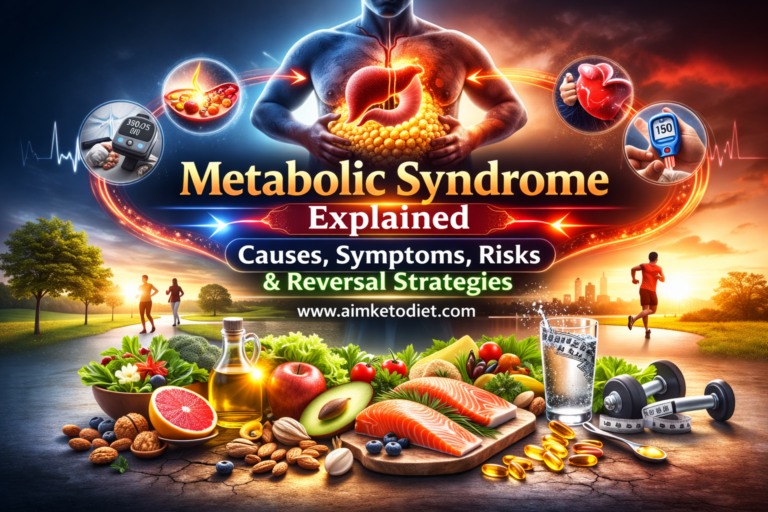
Metabolic syndrome
Pancreatitis
Triglycerides are strongly influenced by diet, especially refined carbohydrates and sugar intake.
Normal Cholesterol Levels
Understanding cholesterol numbers helps in evaluating cardiovascular risk.
Healthy ranges generally include:
Total cholesterol: below 200 mg/dL
LDL: below 100 mg/dL
HDL: above 40 mg/dL (men) and 50 mg/dL (women)
Triglycerides: below 150 mg/dL
These values may vary depending on age, medical history, and individual health conditions.
Causes of High Cholesterol
High cholesterol develops gradually and often results from multiple factors working together.
Unhealthy Diet
Diets high in trans fats, refined carbohydrates, processed foods, and excessive sugar contribute to elevated LDL and triglycerides. Lack of fiber also affects cholesterol metabolism.
Sedentary Lifestyle
Physical inactivity reduces HDL levels and increases LDL accumulation. Exercise helps regulate lipid metabolism and improves circulation.
Obesity
Excess body fat alters cholesterol processing and increases triglyceride production. Weight gain also affects hormone balance and insulin sensitivity.
Genetics
Some individuals inherit conditions such as familial hypercholesterolemia, which causes high cholesterol regardless of lifestyle.
Smoking
Smoking damages blood vessels and reduces HDL levels, increasing cardiovascular risk.
Alcohol Consumption
Excess alcohol increases triglycerides and contributes to liver dysfunction.
Symptoms of High Cholesterol
High cholesterol often shows no symptoms in its early stages. It silently damages arteries over time. Many individuals only discover the condition through routine blood tests.
However, advanced cholesterol imbalance may lead to:
Chest discomfort
Fatigue
Shortness of breath
Yellowish deposits around eyes (xanthomas)
These signs often appear when arterial blockage has already progressed.
How Cholesterol Leads to Heart Disease
When LDL levels remain high, cholesterol deposits accumulate inside arteries. The immune system reacts to these deposits, leading to inflammation and plaque formation.
As plaque grows:
Arteries narrow
Blood flow reduces
Oxygen supply to organs decreases
If plaque ruptures, it may form a blood clot, causing heart attack or stroke.
Maintaining balanced cholesterol prevents this progression.
Risk Factors for Cholesterol Imbalance
Certain factors increase susceptibility to unhealthy cholesterol levels.
Age
Cholesterol metabolism changes with age, increasing cardiovascular risk.
Diabetes and Insulin Resistance
These conditions alter lipid metabolism and increase triglycerides.
Stress
Chronic stress influences hormone levels and metabolic processes.
Hormonal Changes
Menopause and endocrine disorders affect cholesterol balance.
Diagnosis and Cholesterol Testing
Doctors diagnose cholesterol imbalance through a lipid profile blood test. This test measures total cholesterol, HDL, LDL, and triglycerides.
Fasting may be required before testing for accurate results. Regular screening is recommended for adults, especially those with risk factors.
Monitoring cholesterol levels helps detect early imbalances and prevent complications.
Medical Treatment for High Cholesterol
Treatment depends on severity and underlying causes.
Doctors may prescribe medications such as:
Statins to reduce LDL production
Fibrates to lower triglycerides
Niacin to increase HDL levels
Cholesterol absorption inhibitors
Medication is typically combined with lifestyle modifications.
Natural Ways to Improve Cholesterol Levels
Lifestyle plays a powerful role in managing cholesterol.
Balanced Nutrition
Whole foods rich in fiber, healthy fats, and essential nutrients support cholesterol balance. Fiber helps remove excess cholesterol through digestion.
Healthy fats from nuts, seeds, olive oil, and fatty fish improve HDL levels.
Reducing sugar and refined carbohydrates helps lower triglycerides.
Regular Physical Activity
Exercise increases HDL levels and improves circulation. It also helps control weight, insulin sensitivity, and metabolic function.
Even moderate activities like walking can significantly improve lipid profiles.
Weight Management
Losing excess weight reduces LDL and triglycerides while increasing HDL. Small changes can produce measurable improvements.
Stress Management
Stress hormones influence metabolism and cholesterol production. Relaxation techniques, meditation, and adequate sleep help regulate these processes.
Cholesterol and Keto Diet
Low-carbohydrate and ketogenic dietary patterns influence cholesterol metabolism in different ways. Many individuals experience improvements in triglycerides and HDL levels.
However, responses vary depending on genetics, food quality, and lifestyle habits. Monitoring cholesterol levels is essential when following any structured diet.
Aimketodiet.com promotes informed dietary choices that support metabolic health while encouraging regular health monitoring.
Preventing Cholesterol Imbalance
Prevention focuses on daily habits and long-term consistency.
Healthy practices include:
Eating whole, nutrient-dense foods
Staying physically active
Maintaining a healthy body weight
Avoiding smoking
Limiting processed foods and sugar
Monitoring health markers regularly
Preventive care reduces cardiovascular risk significantly.
Complications of Untreated High Cholesterol
Ignoring cholesterol imbalance can lead to serious health problems.
Potential complications include:
Coronary artery disease
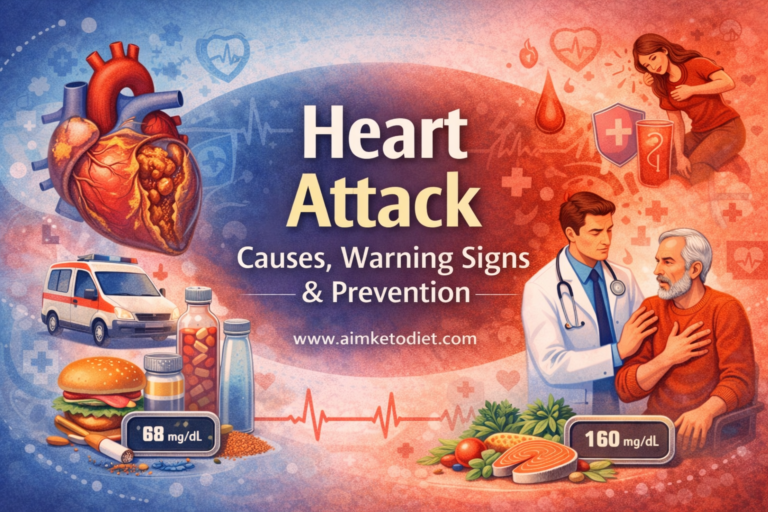
Heart attack
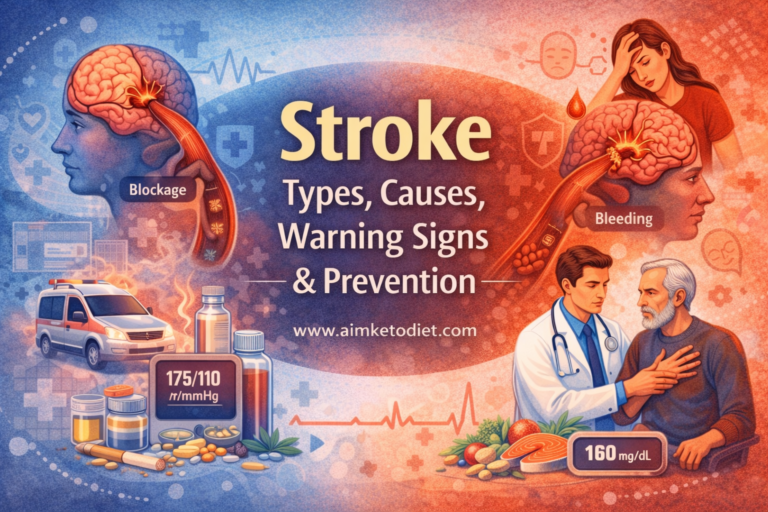
Stroke
Peripheral artery disease
Fatty liver disease
Early intervention prevents long-term damage.
Importance of Regular Monitoring
Regular health checkups help detect changes before symptoms appear. Tracking cholesterol levels over time allows individuals to adjust diet, exercise, and lifestyle strategies.
Preventive monitoring is especially important for those with family history, obesity, or metabolic disorders.
When to Seek Medical Advice
Medical consultation is necessary if:
Cholesterol levels remain high despite lifestyle changes
Family history of heart disease exists
Symptoms of cardiovascular issues appear
Professional guidance ensures safe and effective management.
Conclusion
Cholesterol is essential for the body, but balance is the key to maintaining health. HDL, LDL, and triglycerides each play different roles, and understanding their functions helps prevent heart disease and metabolic complications.
High cholesterol develops silently but can cause serious long-term damage if ignored. Fortunately, lifestyle habits, nutrition, physical activity, stress management, and medical support can effectively regulate cholesterol levels.
Aimketodiet.com is committed to delivering educational health content that empowers you to understand your body, monitor important health markers, and make informed decisions for long-term wellness.
With awareness and consistent habits, maintaining healthy cholesterol levels becomes achievable and sustainable.