Introduction: When the Body Stops Responding, Hormones Are Often the Reason
Many people reach a point where their body stops responding the way it used to. Energy drops, weight increases despite eating carefully, sleep becomes irregular, cravings intensify, and mood fluctuates without a clear reason. At first, these changes seem temporary. Over time, they become the new normal.
The underlying cause in many of these situations is hormonal imbalance.
Hormones are chemical messengers that regulate almost every major function in the body — metabolism, hunger, stress response, sleep cycles, fat storage, and emotional stability. When these messengers function properly, the body operates efficiently. When they become imbalanced, even small disruptions can create widespread health effects.
On Aimketodiet.com, the focus is not only on dietary approaches but on understanding the internal biological systems that influence weight, energy, and long-term health. Hormonal balance sits at the center of this system. Without stable hormone signaling, even the best nutrition plans struggle to produce lasting results.
Understanding the signals of hormonal imbalance allows early correction before symptoms develop into chronic metabolic problems.
What Hormones Actually Do Inside the Body
Hormones are produced by glands such as the thyroid, pancreas, adrenal glands, and reproductive organs. They travel through the bloodstream and instruct organs and tissues on how to behave. Unlike nutrients, which provide raw material, hormones act as regulators — deciding when energy should be used, stored, or conserved.
They influence how quickly the body burns calories, how hungry you feel, how well you sleep, and how your body responds to stress. Even subtle shifts in hormone levels can affect energy, mood, and fat storage patterns.
Hormonal balance is not about having high or low hormone levels alone. It is about coordination. When one hormone shifts, others respond. This interconnectedness explains why symptoms often appear in clusters rather than in isolation.
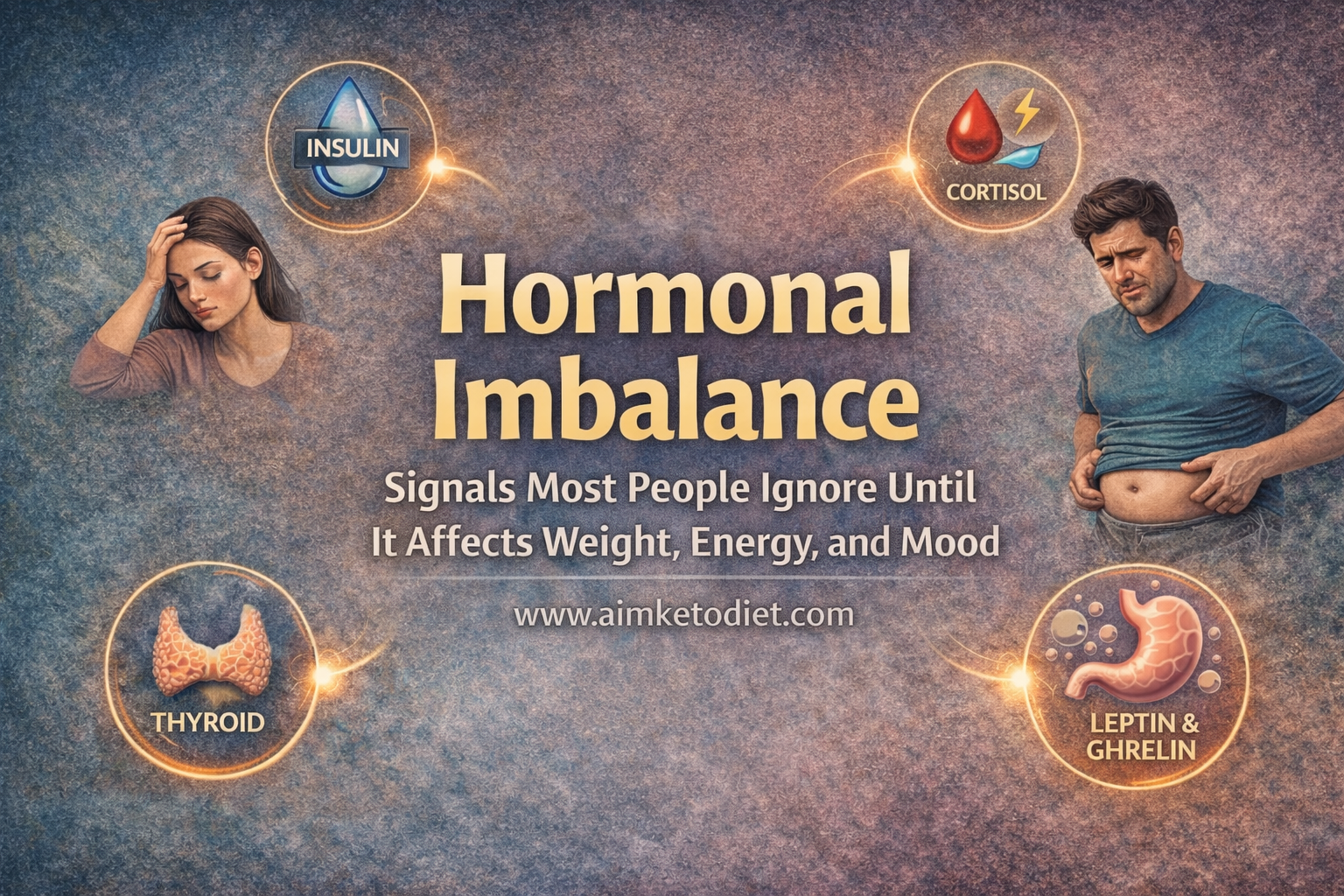
Insulin: The Master Controller of Fat Storage
Insulin regulates blood sugar levels by helping cells absorb glucose for energy. However, it also determines whether the body stores or burns fat.
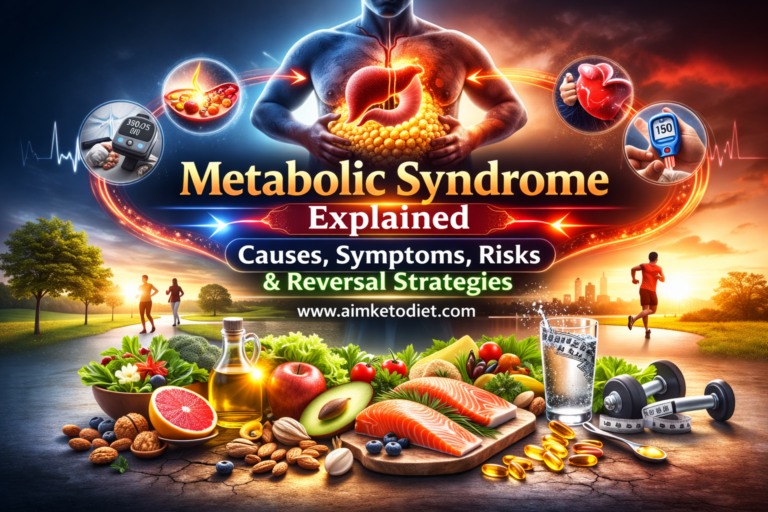
When insulin levels remain elevated — often due to frequent refined carbohydrate intake, stress, or chronic inflammation — the body becomes less responsive to it. This condition is known as insulin resistance. In response, the body produces more insulin, which encourages fat storage, particularly around the abdomen.
This cycle leads to:
Increased hunger
Energy crashes
Difficulty losing weight
Cravings for sugary foods
Many individuals assume they lack discipline, when in reality, insulin imbalance is driving these behaviors biologically.
Cortisol: The Stress Hormone That Rewires Metabolism
Cortisol is released in response to physical or emotional stress. In short bursts, it is protective. It helps the body respond to challenges. When cortisol remains elevated for long periods, it disrupts metabolic balance.
Chronic stress keeps cortisol high, which increases appetite, raises blood sugar, and promotes fat storage — especially in the abdominal area. It also interferes with sleep, which further destabilizes other hormones.
People experiencing chronic cortisol elevation often report:
Belly fat accumulation
Restlessness at night
Morning fatigue
Mood swings
Increased cravings
Stress, therefore, becomes a metabolic issue — not just an emotional one.
Thyroid Hormones: The Engine of Metabolic Speed
The thyroid gland regulates metabolic rate. It determines how quickly the body converts food into usable energy. When thyroid function slows, metabolism slows.
Even mild thyroid dysfunction can lead to:
Fatigue
Cold sensitivity
Weight gain
Hair thinning
Mental fog
Inflammation, nutrient deficiencies, and stress all interfere with thyroid hormone conversion. This is why addressing lifestyle and gut health often improves thyroid-related symptoms naturally.
Leptin and Ghrelin: Hunger and Satiety Signals
Leptin signals fullness, while ghrelin signals hunger. Together, they regulate appetite and calorie intake.
When these hormones function properly, the body naturally maintains energy balance. When disrupted, hunger increases even when nutritional needs are met.
Sleep deprivation, stress, and inflammation disrupt leptin sensitivity, making the brain less responsive to fullness signals. This leads to overeating without conscious intention.
Hormonal hunger is biological, not behavioral.
Estrogen and Testosterone: More Than Reproductive Hormones
These hormones influence body composition, energy levels, and mood.
Estrogen affects fat distribution, fluid balance, and emotional stability. Testosterone supports muscle mass, motivation, and metabolic efficiency. Imbalance in either can lead to fatigue, mood changes, and shifts in body composition.
These hormones are highly sensitive to stress, sleep quality, diet, and inflammation.
How Inflammation Disrupts Hormonal Communication
Inflammation interferes with how hormones send and receive signals. Cells become less responsive, and hormone production patterns change.
This leads to:
Insulin resistance
Thyroid slowdown
Elevated cortisol
Appetite dysregulation
Inflammation creates a domino effect across the endocrine system.
Early Signs People Often Ignore
Hormonal imbalance rarely appears suddenly. It develops gradually, through subtle signals.
Persistent fatigue, unexplained weight gain, mood instability, irregular sleep, sugar cravings, and reduced motivation are early indicators. Many people attribute these symptoms to aging, workload, or lifestyle pressures, delaying corrective action.
Recognizing these signals early allows intervention before metabolic dysfunction deepens.
Keto and Hormonal Regulation
A properly structured ketogenic approach can stabilize insulin, reduce inflammation, and improve metabolic flexibility. However, if implemented without nutrient balance, hydration, or stress management, it may increase cortisol and fatigue.
The key lies in supporting hormonal balance alongside dietary change. Nutrition alone cannot override hormonal stress signals.
At Aimketodiet.com, the focus remains on aligning dietary strategies with hormonal and metabolic health rather than treating diet as a standalone solution.
Restoring Hormonal Balance Naturally
Hormonal recovery begins with stabilizing daily rhythms. Consistent sleep supports cortisol regulation. Balanced nutrition stabilizes insulin. Stress management protects adrenal function. Gut health supports hormone metabolism.
Physical activity improves insulin sensitivity and supports testosterone and thyroid function. Sunlight exposure influences circadian rhythm and hormone timing.
These foundational practices restore communication within the endocrine system.
Long-Term Hormonal Stability and Metabolic Health
Hormonal balance is not a one-time correction. It is an ongoing relationship between lifestyle, nutrition, sleep, stress, and metabolic function.
When these elements align, the body naturally maintains:
Stable energy
Controlled appetite
Efficient fat metabolism
Emotional stability
Sustainable health emerges when hormones operate in harmony.
Conclusion: Address Hormones Before Blaming Willpower
Many people blame themselves when weight loss stalls or fatigue persists. In reality, hormonal imbalance often drives these challenges.
By understanding hormone signals and addressing root causes such as inflammation, stress, and metabolic disruption, the body can regain its natural balance.
On Aimketodiet.com, the emphasis is not on quick fixes but on restoring internal systems that support long-term wellness. Hormonal balance is one of the most important of these systems. When hormones function properly, energy improves, cravings stabilize, and metabolism responds more effectively.
Real transformation begins with understanding the body’s internal messaging system — and hormones are at the center of that conversation.