Yoga is widely known for its ability to improve flexibility, strengthen the body, calm the mind, and support overall wellness. Many people begin practicing yoga because they want to reduce stress, improve posture, enhance physical fitness, or adopt a healthier lifestyle. However, when beginners start practicing yoga, it is very common to make certain mistakes without even realizing it. These mistakes may slow progress, reduce the benefits of yoga, or sometimes even lead to discomfort or minor injuries.
Yoga is not about perfection, competition, or pushing the body beyond its limits. Instead, it is about awareness, balance, breathing, and steady improvement over time. Beginners often assume that yoga requires extreme flexibility or advanced movements, but in reality, yoga is meant to be a gentle and mindful practice that respects the natural abilities of the body.
At Aimketodiet.com, the goal is to encourage sustainable and healthy lifestyle practices that support both physical and mental well-being. Yoga fits perfectly within this philosophy because it teaches patience, body awareness, and long-term wellness habits. Understanding the common mistakes beginners make can help new practitioners build a safe and effective yoga routine that supports their health journey.
This guide explores the most common yoga mistakes beginners often make and explains how to avoid them so that yoga can remain a safe, enjoyable, and beneficial practice.
Practicing Without Proper Warm-Up
One of the most common mistakes beginners make is starting yoga poses without properly warming up the body. Although yoga is generally gentle compared to other workouts, the body still needs preparation before stretching or performing poses.
Without warming up, muscles may feel stiff and joints may not move comfortably. This can make poses feel more difficult and increase the risk of strain, especially in the hamstrings, back, and shoulders.
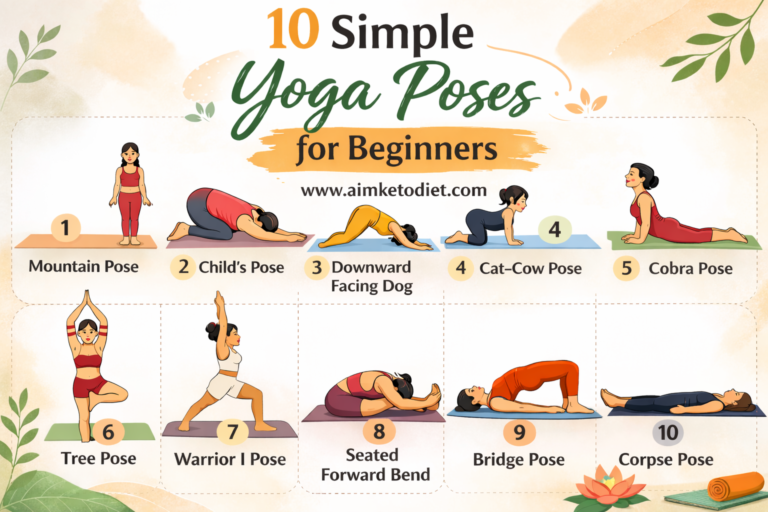
A good yoga warm-up usually includes gentle movements such as neck rolls, shoulder rotations, and simple stretches. Poses like Cat-Cow are particularly helpful because they warm up the spine and prepare the body for movement.
Taking just a few minutes to warm up the body can make yoga practice smoother, safer, and more comfortable.
Ignoring Proper Breathing
Breathing is one of the most important aspects of yoga, yet beginners often forget to focus on it. Many people unintentionally hold their breath while trying to perform poses, especially when the pose feels challenging.
In yoga practice, breathing should remain slow, steady, and controlled. Proper breathing helps the body relax and allows muscles to stretch more comfortably. It also improves oxygen flow, which helps reduce fatigue and tension.
When breathing is ignored, the body may become tense, and poses may feel more difficult than they actually are. Beginners should try to coordinate their breathing with their movements. For example, inhaling when opening the chest and exhaling when bending forward.
Developing good breathing habits can greatly improve the overall experience of yoga practice.
Forcing the Body Into Poses
Another common mistake beginners make is trying to force the body into a pose that it is not yet ready to perform. This usually happens when people compare themselves to advanced yoga practitioners or attempt to reach the same level of flexibility too quickly.
Yoga is not about pushing the body to extreme positions. Instead, it encourages gradual improvement and body awareness. When the body is forced into a pose, muscles may become strained, and joints may experience unnecessary pressure.
Beginners should move slowly and only stretch within their comfortable range. Over time, flexibility will naturally improve through consistent practice.
Listening to the body is one of the most important principles of yoga.
Poor Body Alignment
Proper alignment plays a crucial role in yoga practice. Beginners sometimes focus only on completing a pose without paying attention to how their body is positioned.
Incorrect alignment can reduce the benefits of the pose and may also lead to discomfort or muscle strain. For example, in standing poses like Warrior I, the position of the knees, hips, and shoulders must remain balanced.
Maintaining proper alignment helps distribute body weight evenly and ensures that muscles are engaged correctly.
Beginners may find it helpful to practice in front of a mirror or follow guided instructions to understand the correct positioning of the body during each pose.
Skipping Relaxation at the End
Many beginners think that the final relaxation pose, often called Corpse Pose (Savasana), is unnecessary. Because of this misconception, they may skip it entirely and finish their yoga session abruptly.
However, Savasana is an essential part of yoga practice. It allows the body to absorb the benefits of the session and helps the mind enter a state of deep relaxation.
During this pose, the body rests completely while the breathing becomes calm and steady. This moment of stillness helps release physical tension and promotes mental clarity.
Skipping relaxation means missing one of the most important parts of the yoga experience.
Comparing Yourself With Others
Yoga is a personal journey, but beginners sometimes compare themselves with other practitioners. This often happens in group classes or when watching yoga videos online.
Seeing others perform advanced poses can make beginners feel discouraged or pressured to achieve similar results quickly. However, every person’s body is different, and progress in yoga happens at different speeds.
Comparing oneself to others may lead to frustration and unnecessary strain on the body.
Instead of focusing on what others can do, beginners should concentrate on their own improvement and enjoy the gradual progress that comes with regular practice.
Practicing Inconsistently
Consistency is one of the most important factors in yoga practice. Many beginners start yoga with enthusiasm but practice only occasionally.
Irregular practice makes it difficult for the body to adapt to the movements and develop flexibility and strength. Even short daily sessions can be more beneficial than long sessions practiced only once in a while.
Practicing yoga regularly helps the body become familiar with the poses and gradually improves balance, flexibility, and strength.
Creating a simple daily routine can make yoga a natural part of everyday life.
Not Paying Attention to the Body’s Signals
The body communicates important signals during yoga practice. These signals may include mild discomfort, tightness, or fatigue.
Beginners sometimes ignore these signals and continue pushing through poses. This can lead to strain or injury, especially in sensitive areas such as the lower back, knees, and shoulders.
Yoga should never cause sharp pain. If a pose feels uncomfortable, it is important to adjust the position or take a break.
Learning to listen to the body helps create a safe and sustainable yoga practice.
Practicing Without a Calm Environment
Yoga is not only a physical activity but also a mental practice that encourages mindfulness and relaxation. Practicing in a noisy or distracting environment can make it difficult to focus on breathing and body awareness.
Beginners may benefit from creating a quiet and comfortable space for yoga practice. This space does not need to be large or complicated. Even a small corner of a room can become a peaceful area for yoga.
A calm environment helps the mind relax and allows practitioners to fully experience the benefits of yoga.
Expecting Immediate Results
Some beginners expect rapid improvements in flexibility, strength, or stress reduction. When results do not appear immediately, they may feel discouraged and lose motivation.
Yoga works gradually by improving the body and mind over time. Regular practice leads to steady progress, but patience is essential.
Instead of focusing on quick results, beginners should appreciate the small improvements that occur with each practice session.
Over time, yoga becomes a natural and rewarding part of a healthy lifestyle.
Tips for Practicing Yoga Safely
Avoiding beginner mistakes can make yoga practice more enjoyable and effective. Practicing with awareness and patience allows the body to develop strength and flexibility naturally.
Some helpful tips include starting slowly, focusing on breathing, maintaining proper alignment, and practicing consistently. Beginners should also remember that rest and relaxation are just as important as movement.
With the right mindset and approach, yoga can become a powerful tool for maintaining both physical health and mental well-being.
Conclusion
Yoga is a journey of self-awareness, patience, and gradual improvement. While beginners may make mistakes during the early stages of practice, these mistakes are part of the learning process. By understanding the common challenges that new practitioners face, it becomes easier to develop safe and effective yoga habits.
Avoiding mistakes such as skipping warm-ups, ignoring breathing, forcing flexibility, and practicing inconsistently can significantly improve the overall yoga experience. When yoga is practiced with mindfulness and respect for the body, it becomes a powerful method for improving physical strength, flexibility, and mental clarity.
At Aimketodiet.com, the focus is on building healthy habits that support long-term wellness. Yoga perfectly complements this approach by encouraging balance, relaxation, and mindful living. By practicing yoga safely and avoiding common beginner mistakes, anyone can enjoy the lasting benefits of this ancient practice.