Introduction: Why Blood Circulation Is Essential for Life
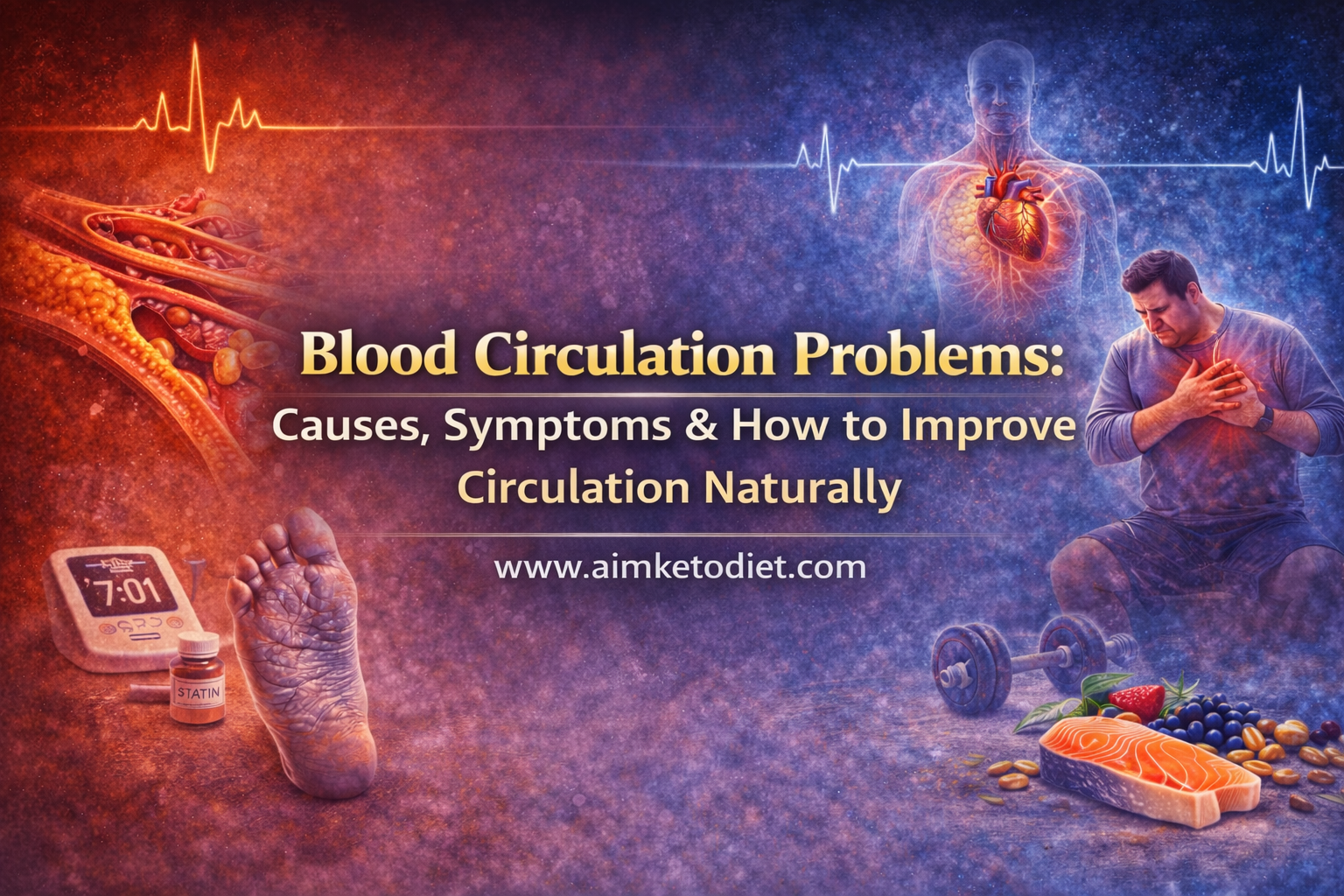
Blood circulation is one of the most fundamental processes in the human body. Every organ, tissue, and cell depends on a continuous supply of oxygen and nutrients delivered through the bloodstream. At the same time, blood carries waste products away from cells so they can be eliminated. When circulation functions efficiently, the body maintains energy, temperature regulation, brain clarity, and organ health. When circulation becomes impaired, even slightly, the consequences can gradually affect multiple systems.
Many people do not realize they have circulation problems until noticeable symptoms appear. Cold hands, numbness in feet, fatigue, swelling, or slow wound healing may seem minor at first, but they can signal underlying vascular imbalance. Poor circulation is often linked with conditions such as high blood pressure, obesity, atherosclerosis, diabetes, and heart disease.
On Aimketodiet.com, the focus is on helping you understand how cardiovascular and metabolic health are interconnected. This detailed guide explains how blood circulation works, what causes circulation problems, how they affect the body, warning signs to watch for, and natural strategies to improve circulation and protect long-term health.
How Blood Circulation Works
The circulatory system consists of the heart, arteries, veins, and capillaries. The heart acts as a pump that pushes oxygen-rich blood through arteries to various parts of the body. After oxygen and nutrients are delivered to tissues, blood returns through veins back to the heart and lungs to be reoxygenated.
Arteries are strong, flexible vessels designed to handle high-pressure blood flow. Veins contain valves that help move blood back toward the heart against gravity. Capillaries are tiny vessels where exchange of oxygen, nutrients, and waste products occurs.
Efficient circulation depends on several factors: heart strength, vessel elasticity, blood pressure regulation, and proper metabolic balance. Any disruption in these components can slow or restrict blood flow.
What Are Blood Circulation Problems?
Blood circulation problems occur when blood flow is reduced, obstructed, or inefficient in certain parts of the body. This can happen due to narrowed arteries, weakened heart function, blood clot formation, or poor vascular elasticity.
Circulation problems may be localized, affecting specific areas such as legs or hands, or systemic, affecting overall cardiovascular performance.
Over time, poor circulation deprives tissues of oxygen and nutrients. If severe or prolonged, it can cause tissue damage and increase the risk of serious complications.
Common Causes of Poor Blood Circulation
Circulation problems rarely develop in isolation. They usually arise from underlying cardiovascular or metabolic conditions.
Atherosclerosis is one of the most common causes. When plaque builds up inside arteries, blood flow becomes restricted. This narrowing reduces oxygen delivery to tissues.
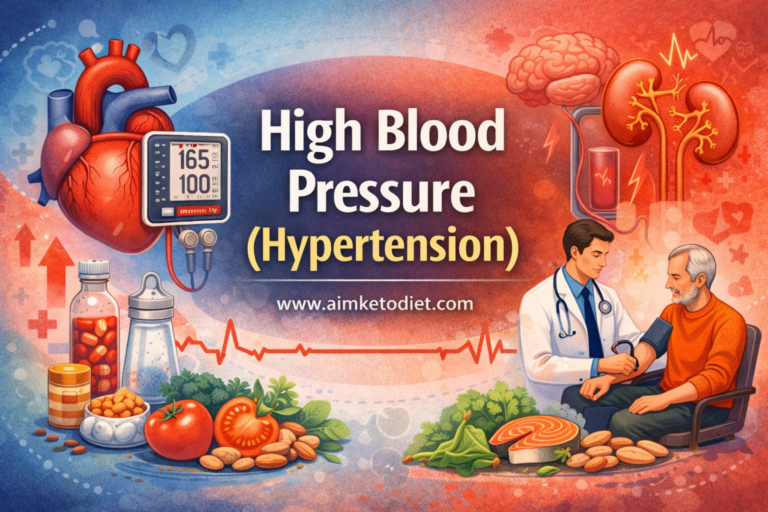
High blood pressure damages artery walls over time, making them stiff and less flexible. Reduced elasticity interferes with smooth blood flow.
Obesity contributes by increasing inflammation and putting extra pressure on blood vessels. Excess body fat also affects metabolic efficiency.
Diabetes damages blood vessels and nerves, particularly in the legs and feet, leading to reduced circulation.
Smoking significantly harms blood vessels by constricting arteries and promoting clot formation.
Sedentary lifestyle weakens the heart muscle and slows blood flow, especially in lower limbs.
Chronic stress increases cortisol and adrenaline levels, which can constrict blood vessels and elevate blood pressure.
Symptoms of Circulation Problems
Poor circulation can manifest in various ways depending on the affected area.
Cold hands and feet occur because reduced blood flow limits heat delivery to extremities.
Numbness or tingling sensations may result from inadequate oxygen supply to nerves.
Swelling in legs or ankles may indicate venous circulation problems where blood pools in lower limbs.
Muscle cramps, especially during walking, may signal reduced arterial flow.
Slow wound healing happens because oxygen and nutrients are essential for tissue repair.
Fatigue can occur when muscles and organs do not receive adequate oxygen.
In severe cases, skin discoloration or ulcers may develop.
Recognizing early signs helps prevent progression.
Circulation and Heart Health
The heart and blood vessels function as an integrated system. When circulation becomes impaired, the heart must work harder to pump blood through narrowed or stiff arteries.
Over time, this extra workload can strain the heart muscle and contribute to heart disease.
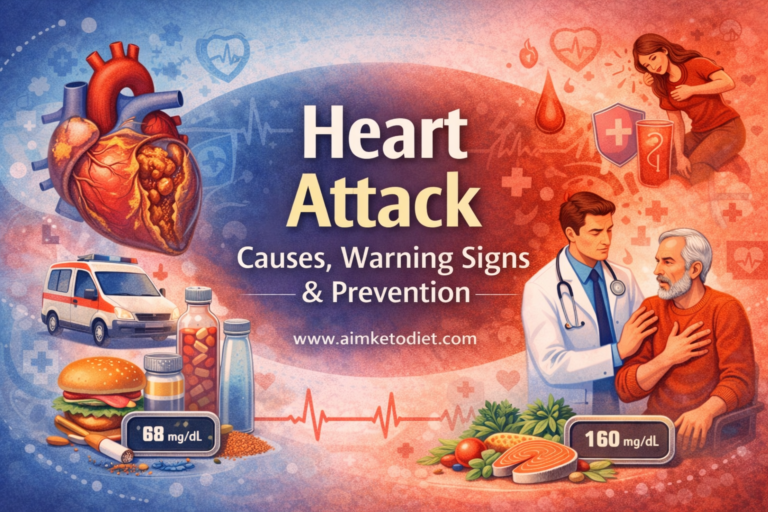
Poor circulation in coronary arteries increases the risk of chest discomfort and heart attack.
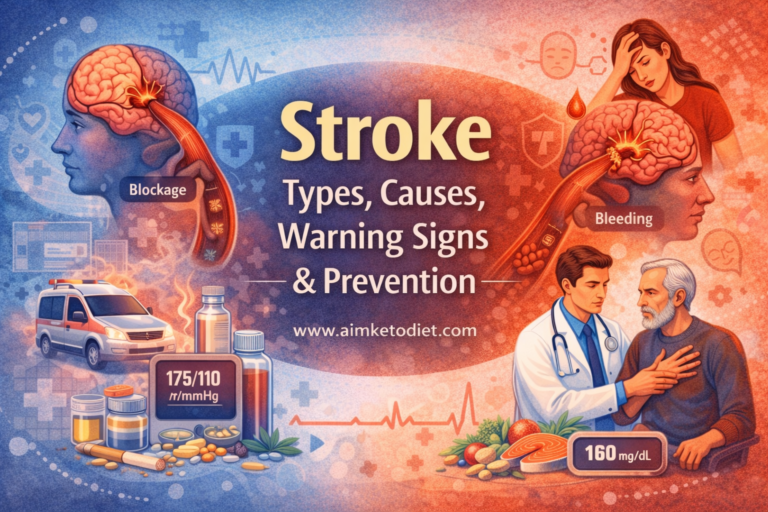
Circulation issues in brain arteries increase stroke risk.
Maintaining healthy circulation protects both heart and brain function.
Peripheral Artery Disease and Circulation
Peripheral artery disease occurs when arteries supplying blood to the limbs become narrowed.
This condition often causes leg pain during walking because muscles are not receiving enough oxygen.
If untreated, severe cases may lead to tissue damage.
Early lifestyle intervention significantly improves outcomes.
Circulation and Metabolic Health
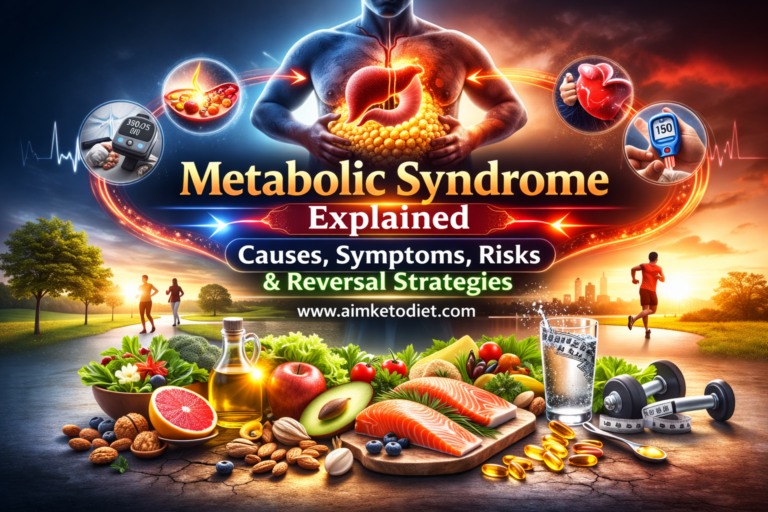
Metabolic health strongly influences vascular function.
Insulin resistance increases inflammation and damages blood vessels.
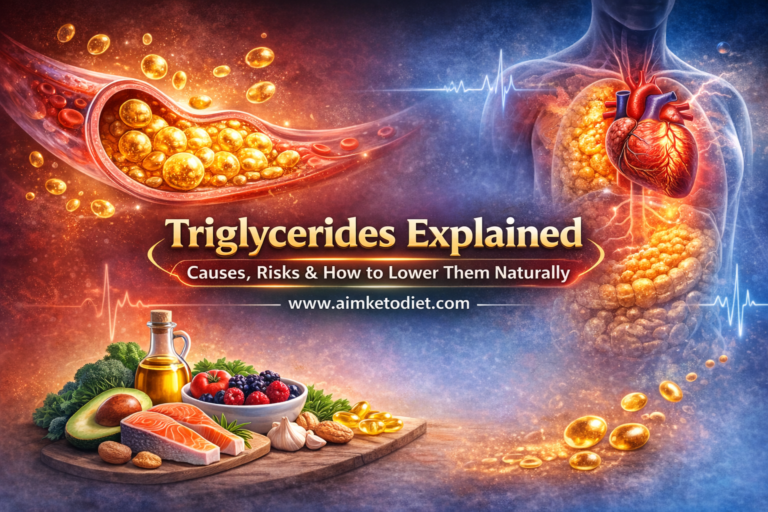
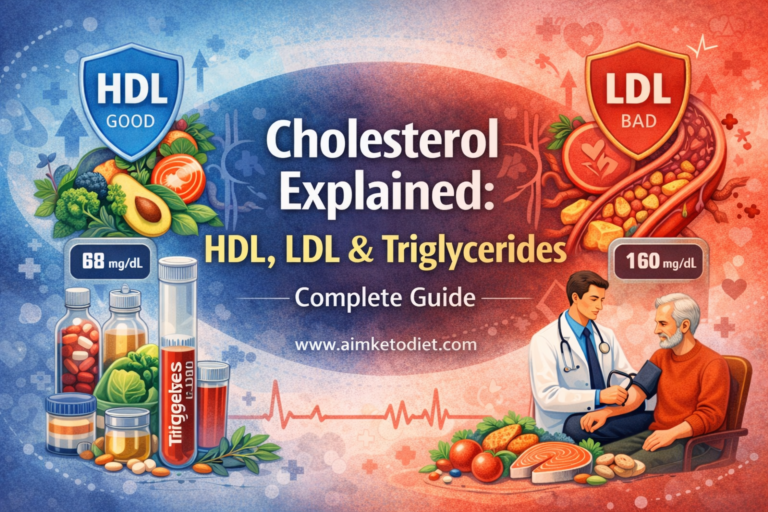
High triglycerides and cholesterol contribute to plaque formation.
Excess abdominal fat releases inflammatory substances that impair vascular flexibility.
Improving metabolic balance enhances circulation efficiency.
How Poor Circulation Affects Organs
Reduced blood flow impacts various organs differently.
The brain may experience dizziness or difficulty concentrating.
The kidneys rely on steady blood supply for filtration. Reduced circulation may impair kidney function.
Digestive organs require blood flow for nutrient absorption.
Reproductive health may also be affected by vascular health.
Systemic circulation problems can therefore have widespread consequences.
Natural Ways to Improve Blood Circulation
Improving circulation requires addressing underlying causes and supporting heart function.
Regular physical activity stimulates blood flow and strengthens the heart muscle. Walking, cycling, and swimming improve vascular flexibility.
Maintaining healthy body weight reduces pressure on blood vessels and improves metabolic balance.
Balanced nutrition supports vascular health by reducing inflammation and stabilizing cholesterol levels.
Adequate hydration helps maintain blood volume and smooth flow.
Stress management techniques help regulate nervous system responses that influence vessel constriction.
Quitting smoking allows blood vessels to regain elasticity over time.
Elevating legs periodically helps reduce swelling and promote venous return.
Consistency in healthy habits produces noticeable improvements in circulation.
Role of Exercise in Circulation
Exercise is one of the most effective strategies for improving circulation.
Muscle contractions during activity help push blood back toward the heart, especially from lower limbs.
Aerobic exercise strengthens the heart, allowing it to pump more efficiently.
Improved cardiovascular fitness reduces resting heart rate and enhances oxygen delivery.
Over time, exercise promotes new blood vessel formation, improving overall vascular network.
When to Seek Medical Advice
Medical evaluation is important if symptoms persist or worsen.
Severe leg pain during walking, chest discomfort, or sudden numbness requires immediate attention.
Individuals with diabetes, high blood pressure, or high cholesterol should undergo regular screening.
Early diagnosis prevents complications.
Long-Term Prevention
Preventing circulation problems involves maintaining heart and metabolic health.
Routine monitoring of blood pressure, lipid profile, and blood sugar helps detect early imbalances.
Healthy dietary patterns and regular physical activity sustain vascular flexibility.
Avoiding prolonged sitting reduces risk of blood pooling.
Building sustainable lifestyle habits ensures long-term circulation efficiency.
Aimketodiet.com emphasizes proactive health awareness to prevent cardiovascular and metabolic disorders before complications arise.
Conclusion
Blood circulation is essential for delivering oxygen and nutrients to every cell in the body. When circulation becomes impaired due to plaque buildup, high blood pressure, obesity, diabetes, or lifestyle factors, the entire body is affected.
Understanding how circulation works and recognizing early warning signs empowers individuals to take preventive action. Through regular exercise, balanced nutrition, stress management, and metabolic awareness, blood flow can be improved naturally.
Aimketodiet.com is committed to providing detailed educational health content that explains how cardiovascular and metabolic systems work together. Protecting circulation protects your heart, brain, and overall well-being.
Healthy circulation supports a healthy life.