Introduction to Atherosclerosis and Cardiovascular Health
Atherosclerosis is one of the most important yet often overlooked conditions affecting heart and brain health. It develops silently over many years and gradually damages the arteries, increasing the risk of heart attack, stroke, and other serious cardiovascular problems. Most people do not realize they have atherosclerosis until symptoms appear or a medical emergency occurs.
This condition is closely connected with factors already discussed in previous topics such as high blood pressure, high cholesterol, heart attack, and stroke. Understanding atherosclerosis helps explain how these conditions are linked and why preventive health care is essential.
On Aimketodiet.com, the goal is to provide educational health content that helps you understand the root causes of chronic diseases rather than just their symptoms. Atherosclerosis is not a sudden disease; it is a slow process influenced by lifestyle, nutrition, metabolic health, and long-term habits. This guide explains what atherosclerosis is, how it develops, its causes, warning signs, risk factors, diagnosis, and effective prevention strategies.
What Is Atherosclerosis?
Atherosclerosis is a condition in which fatty deposits, cholesterol, and other substances build up inside the walls of arteries. These deposits are known as plaque. Over time, plaque hardens and narrows the arteries, restricting blood flow.
Arteries are responsible for carrying oxygen-rich blood from the heart to different parts of the body. When they become narrow or blocked, organs such as the heart and brain do not receive enough oxygen and nutrients. This can lead to serious health complications.
The process begins with damage to the inner lining of arteries. Once this lining is weakened, cholesterol and inflammatory substances accumulate in the area. Gradually, plaque forms and interferes with normal blood circulation.
How Atherosclerosis Develops
Atherosclerosis develops in stages and often begins years before symptoms appear.
The first stage involves damage to the artery lining, often caused by high blood pressure, smoking, or high blood sugar. This damage makes the artery wall more vulnerable to cholesterol deposits.
Next, LDL cholesterol begins to accumulate in the damaged area. The immune system responds to this buildup by sending white blood cells to the site, leading to inflammation.
As inflammation continues, plaque forms and thickens. Over time, plaque becomes hard and reduces the flexibility of arteries. This condition is sometimes referred to as “hardening of the arteries.”
Eventually, plaque may rupture. When this happens, a blood clot can form and completely block blood flow. This blockage may result in heart attack or stroke depending on the location.
Causes of Atherosclerosis
Atherosclerosis does not occur due to a single cause. It develops from a combination of lifestyle factors, metabolic conditions, and long-term habits.
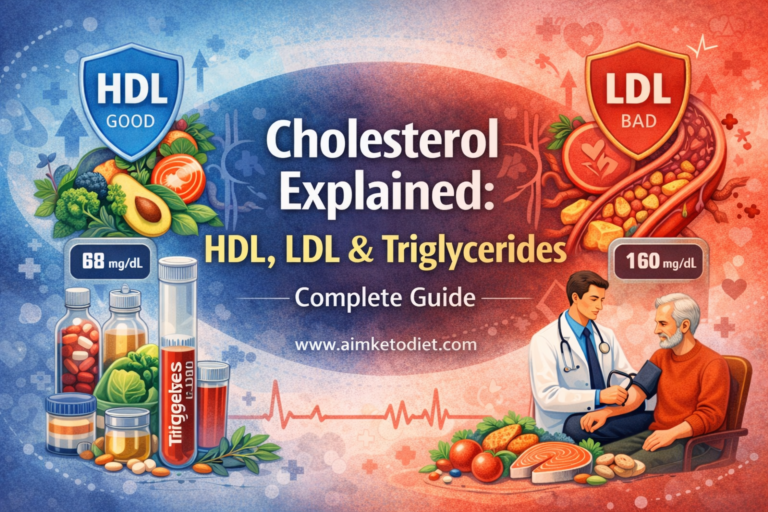
High cholesterol plays a major role, particularly elevated LDL levels. Excess cholesterol accumulates in artery walls and contributes to plaque formation.
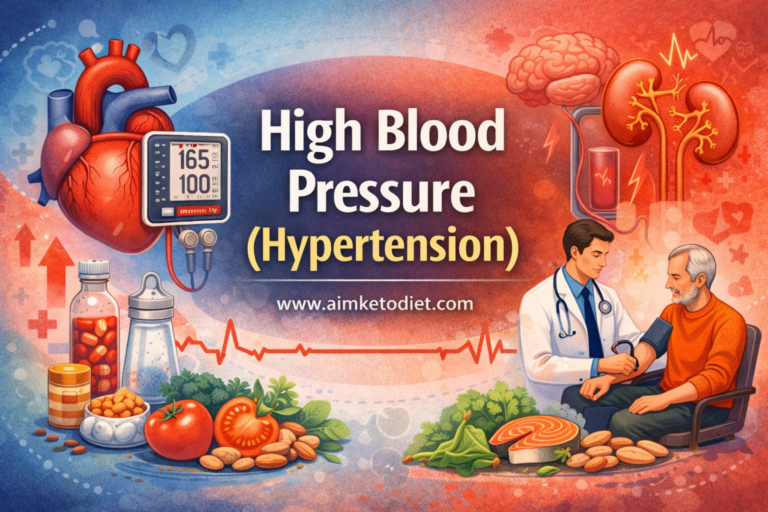
High blood pressure damages artery lining and increases stress on blood vessels. Over time, this damage accelerates plaque buildup.
Smoking introduces harmful chemicals that injure blood vessel walls and promote inflammation.
Diabetes and insulin resistance affect circulation and increase the likelihood of plaque formation.
Obesity contributes to metabolic imbalance and increases the burden on the cardiovascular system.
Physical inactivity weakens heart function and reduces blood circulation efficiency.
Chronic stress influences hormones that affect blood pressure and vascular health.
Symptoms of Atherosclerosis
In its early stages, atherosclerosis often produces no noticeable symptoms. It develops slowly and silently.
Symptoms usually appear when arteries become significantly narrowed or blocked. The symptoms depend on which arteries are affected.
If heart arteries are involved, chest discomfort or shortness of breath may occur.
When arteries supplying the brain are affected, symptoms such as dizziness, confusion, or difficulty speaking may appear.
Blockage in leg arteries may cause pain during walking, known as claudication.
Reduced blood flow to organs may cause fatigue and weakness.
Because symptoms appear late, preventive screening and awareness are critical.
Risk Factors for Atherosclerosis
Certain conditions increase the likelihood of developing atherosclerosis over time.
Age increases risk because arteries gradually lose flexibility.
Family history plays a role in cholesterol metabolism and cardiovascular health.
High blood pressure and cholesterol are major contributors to arterial damage.
Diabetes accelerates vascular damage and inflammation.
Unhealthy diet patterns high in processed foods and refined sugars increase plaque formation.
Lack of exercise reduces circulation and affects metabolic balance.
Smoking significantly damages blood vessels and promotes clot formation.
Managing these risk factors reduces long-term cardiovascular risk.
How Atherosclerosis Leads to Heart Attack and Stroke
Atherosclerosis is the underlying cause of most heart attacks and strokes.
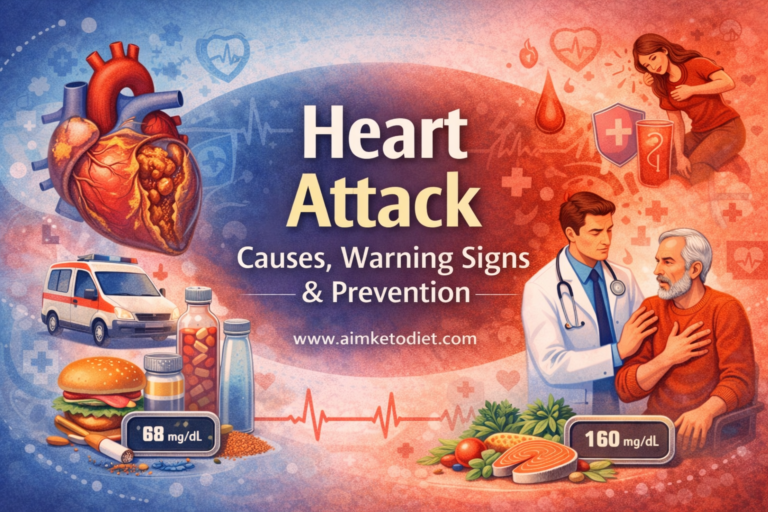
When plaque builds up in coronary arteries, blood flow to the heart decreases. If plaque ruptures and forms a clot, the artery may become completely blocked, leading to a heart attack.
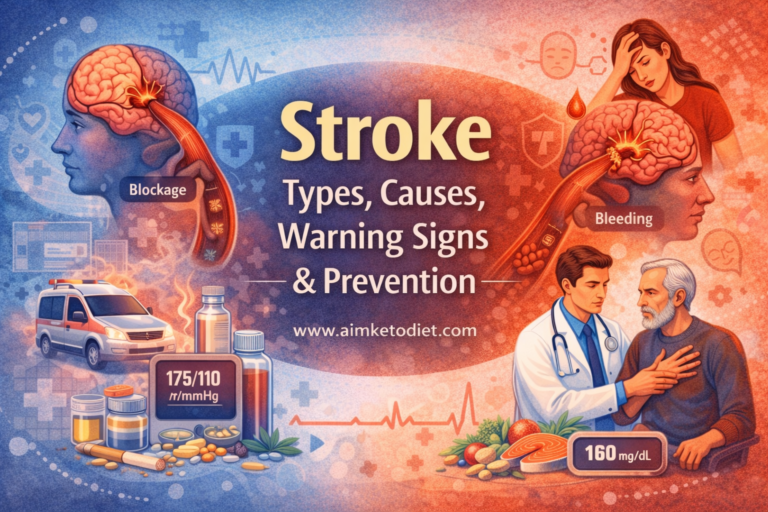
Similarly, plaque buildup in arteries supplying the brain can restrict blood flow. If a clot forms and blocks circulation, a stroke occurs.
This connection highlights why cholesterol and blood pressure management are essential for preventing life-threatening conditions.
Diagnosis of Atherosclerosis
Doctors use several methods to detect atherosclerosis.
Blood tests help measure cholesterol and triglyceride levels.
Imaging techniques such as ultrasound, CT scans, and angiography help visualize blocked arteries.
Stress tests evaluate heart function during physical activity.
Early detection allows timely lifestyle and medical intervention.
Treatment and Medical Management
Treatment focuses on slowing plaque progression and preventing complications.
Doctors may prescribe medications that reduce cholesterol levels, control blood pressure, and prevent clot formation.
In severe cases, medical procedures such as angioplasty or bypass surgery may be required to restore blood flow.
Medical treatment is most effective when combined with lifestyle changes.
Lifestyle Changes to Prevent Atherosclerosis
Healthy lifestyle habits play a crucial role in prevention and management.
Balanced nutrition supports vascular health and reduces inflammation. Diets rich in vegetables, fruits, whole foods, and healthy fats help regulate cholesterol.
Regular physical activity improves circulation and strengthens the heart.
Maintaining a healthy body weight reduces stress on blood vessels.
Stress management helps regulate hormones that affect blood pressure and heart function.
Avoiding smoking prevents vascular damage and improves overall circulation.
On Aimketodiet.com, preventive lifestyle education is emphasized because long-term habits strongly influence cardiovascular health.
Role of Diet in Artery Health
Nutrition directly affects cholesterol levels, inflammation, and metabolic balance.
Whole foods provide fiber, vitamins, and antioxidants that protect artery walls.
Healthy fats support HDL cholesterol, which helps remove excess cholesterol from arteries.
Reducing refined carbohydrates and processed foods helps control triglycerides and inflammation.
Hydration supports blood circulation and vascular function.
Dietary patterns that promote metabolic health contribute to long-term arterial protection.
Atherosclerosis and Metabolic Health
Metabolic disorders such as insulin resistance, obesity, and chronic inflammation significantly contribute to plaque formation.
Maintaining metabolic balance through nutrition, exercise, and lifestyle management supports vascular health.
Understanding the link between metabolism and circulation helps individuals take preventive action.
Long-Term Impact of Atherosclerosis
If untreated, atherosclerosis can lead to serious health complications.
Heart disease, stroke, and peripheral artery disease are major outcomes.
Reduced blood supply to organs may affect kidney function and cognitive health.
Long-term management is essential to prevent progression and maintain quality of life.
When to Seek Medical Advice
Medical consultation is important if symptoms such as chest discomfort, shortness of breath, or unexplained fatigue occur.
Individuals with high blood pressure, cholesterol, diabetes, or family history of heart disease should undergo regular screening.
Early intervention prevents complications.
Conclusion
Atherosclerosis is a slow and progressive condition that affects arteries and increases the risk of heart attack and stroke. It develops silently over years due to lifestyle habits, metabolic imbalance, and vascular damage.
Understanding how atherosclerosis forms and recognizing its risk factors empowers individuals to take preventive steps early. Healthy diet, physical activity, stress management, and regular health monitoring play vital roles in protecting artery health.
Aimketodiet.com is dedicated to providing educational health content that helps you understand cardiovascular risks and take informed action for long-term wellness. Preventive awareness and consistent lifestyle habits are the strongest defenses against arterial blockage and heart disease.
The health of your arteries determines the health of your heart and brain.