Introduction: Understanding the Link Between Obesity and Heart Health
Obesity is not just about excess body weight or appearance — it is a serious medical condition that significantly increases the risk of cardiovascular disease. Over the past few decades, obesity rates have risen globally, and along with it, heart disease has become one of the leading causes of death worldwide. The connection between excess body fat and heart health is deep, complex, and often underestimated.
Many people assume that obesity only affects mobility or physical appearance, but in reality, it changes how the entire body functions — especially the heart and blood vessels. Excess body fat alters metabolism, increases inflammation, disrupts hormonal balance, and places constant strain on the cardiovascular system.
On Aimketodiet.com, the focus is on helping you understand the root causes of metabolic and heart-related conditions. This comprehensive educational guide explains how obesity affects heart health, the mechanisms behind cardiovascular risk, warning signs, long-term consequences, and practical strategies for prevention and reversal.
What Is Obesity?
Obesity is a medical condition characterized by excessive accumulation of body fat that increases the risk of health problems. It is commonly measured using Body Mass Index (BMI), waist circumference, and body fat percentage.
While BMI provides a general classification, abdominal or visceral fat is particularly dangerous. Fat stored around the abdominal organs is metabolically active and releases inflammatory substances that directly affect heart health.
Obesity is not simply the result of overeating. It is influenced by lifestyle, hormonal balance, genetics, stress levels, sleep quality, and metabolic health. However, long-term calorie imbalance remains a primary driver.
How Obesity Puts Strain on the Heart
The heart’s primary function is to pump blood throughout the body. When body weight increases significantly, the heart must work harder to supply oxygen and nutrients to a larger tissue mass.
This increased workload raises heart rate and blood pressure. Over time, the heart muscle thickens in response to the added strain. While this adaptation may initially compensate for increased demand, prolonged stress can weaken the heart.
Excess weight also increases blood volume in circulation, which further strains the heart. The combination of elevated pressure and increased workload gradually damages blood vessels and cardiac tissue.
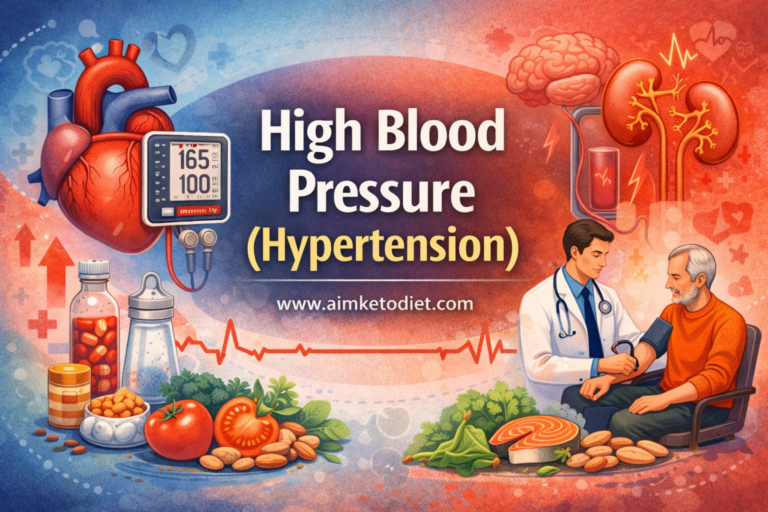
Obesity and High Blood Pressure
High blood pressure is one of the most common complications of obesity.
Excess body fat increases resistance in blood vessels, making it harder for blood to flow. This forces the heart to pump with greater pressure. Additionally, obesity activates hormonal systems such as the renin-angiotensin system, which raises blood pressure.
Insulin resistance associated with obesity also contributes to sodium retention, which increases fluid volume and further elevates blood pressure.
Persistent high blood pressure damages arteries and increases the risk of heart attack and stroke.
Obesity and Cholesterol Imbalance
Obesity significantly affects lipid levels in the bloodstream.
Individuals with obesity often have elevated triglycerides and low HDL (good cholesterol). This combination promotes plaque buildup in arteries.
Excess body fat alters liver function, leading to increased production of LDL cholesterol and triglycerides. When LDL cholesterol becomes oxidized, it contributes to atherosclerosis.
This imbalance accelerates arterial narrowing, increasing the likelihood of coronary artery disease.
Obesity and Insulin Resistance
Insulin resistance is a major metabolic consequence of obesity.
When fat cells enlarge, they release inflammatory chemicals that interfere with insulin signaling. As a result, cells do not respond effectively to insulin, leading to higher blood sugar levels.
The pancreas compensates by producing more insulin. High insulin levels stimulate fat storage and increase triglyceride production in the liver.
This metabolic environment promotes chronic inflammation and increases cardiovascular risk.
Obesity and Inflammation
Chronic low-grade inflammation is a hallmark of obesity.
Fat tissue is not just passive storage — it is metabolically active. Enlarged fat cells release inflammatory molecules known as cytokines. These substances damage blood vessel lining and promote plaque formation.
Inflammation makes arterial walls more vulnerable to cholesterol buildup and clot formation.
Over time, chronic inflammation contributes to heart disease progression.
Obesity and Atherosclerosis
Atherosclerosis, or hardening of the arteries, is closely linked to obesity.
Inflammatory substances, cholesterol imbalance, and high blood pressure combine to damage artery walls. Plaque gradually forms and narrows arteries.
Reduced blood flow to the heart can cause chest discomfort and increase the risk of heart attack.
If arteries supplying the brain are affected, stroke risk increases.
Obesity accelerates every stage of plaque formation.
Impact of Visceral Fat on Heart Health
Visceral fat, stored around abdominal organs, is particularly harmful.
Unlike subcutaneous fat (stored under the skin), visceral fat surrounds vital organs such as the liver and intestines. It releases higher amounts of inflammatory and hormonal signals.
Visceral fat increases insulin resistance and disrupts lipid metabolism.
A large waist circumference is often a stronger predictor of heart disease than overall body weight.
Obesity and Heart Failure
Severe obesity increases the risk of heart failure.
Over time, constant strain weakens the heart muscle. The heart may struggle to pump effectively, leading to symptoms such as fatigue, shortness of breath, and swelling in legs.
Obesity-related heart failure may occur even without significant coronary artery blockage due to structural changes in the heart.
Early weight management can reduce this risk significantly.
Psychological and Lifestyle Factors
Obesity is often associated with stress, poor sleep, and emotional eating.
Chronic stress increases cortisol levels, which promote fat storage, particularly in the abdominal region.
Sleep deprivation disrupts hunger hormones, increasing appetite and cravings for high-calorie foods.
Sedentary lifestyle patterns reduce energy expenditure and weaken cardiovascular fitness.
Addressing psychological and behavioral aspects is essential for long-term heart protection.
Warning Signs That Obesity Is Affecting the Heart
Certain symptoms may indicate cardiovascular strain:
Persistent fatigue
Shortness of breath during mild activity
Chest discomfort
Elevated blood pressure readings
Rapid heartbeat
However, many people experience no symptoms until advanced disease develops. Preventive screening is crucial.
Long-Term Cardiovascular Risks
Obesity increases the likelihood of:
Coronary artery disease
Heart attack
Stroke
Atrial fibrillation
Peripheral artery disease
Heart failure
The longer obesity persists, the greater the cumulative damage to the cardiovascular system.
Can Heart Damage from Obesity Be Reversed?
The encouraging news is that many obesity-related cardiovascular risks can be improved.
Weight reduction lowers blood pressure and triglyceride levels. Even modest weight loss improves insulin sensitivity.
Improved nutrition reduces inflammation and stabilizes cholesterol.
Regular physical activity strengthens the heart muscle and improves circulation.
Lifestyle changes often produce measurable improvements within months.
Prevention Strategies
Preventing obesity-related heart disease requires sustainable lifestyle adjustments.
Balanced nutrition focusing on whole foods helps regulate calorie intake and metabolic balance.
Reducing processed carbohydrates and added sugars helps control triglycerides and insulin levels.
Consistent physical activity supports weight management and cardiovascular strength.
Stress management techniques improve hormonal balance.
Adequate sleep supports appetite regulation and metabolic stability.
On Aimketodiet.com, preventive education emphasizes long-term habits rather than temporary fixes.
The Importance of Early Intervention
Addressing obesity early reduces long-term complications.
Routine monitoring of blood pressure, cholesterol, triglycerides, and blood sugar helps detect early changes.
Waist circumference measurement can provide additional insight into cardiovascular risk.
Early lifestyle changes are more effective than waiting for complications to develop.
Conclusion
Obesity profoundly affects heart health through multiple interconnected mechanisms. It increases blood pressure, disrupts cholesterol levels, promotes insulin resistance, triggers inflammation, and accelerates plaque formation in arteries.
Understanding this connection empowers individuals to take preventive action. Sustainable weight management through balanced nutrition, regular exercise, stress control, and metabolic awareness can significantly reduce cardiovascular risk.
Aimketodiet.com is dedicated to providing educational health content that explains how lifestyle choices influence long-term well-being. Protecting your heart begins with understanding how excess body fat impacts the body — and taking steps today to restore balance.
Healthy weight supports a healthy heart.