Introduction to Triglycerides and Why They Matter
When discussing heart health and metabolic wellness, cholesterol often receives most of the attention. However, triglycerides are equally important and sometimes even more closely linked to metabolic imbalance. Elevated triglyceride levels are strongly associated with heart disease, insulin resistance, obesity, and fatty liver disease. Yet many people are unaware of what triglycerides are or why they matter.
Triglycerides are a type of fat found in the blood. After you eat, your body converts excess calories — especially from carbohydrates and sugars — into triglycerides, which are stored in fat cells for later use. While triglycerides are essential for energy storage, excessive levels in the bloodstream can signal deeper metabolic problems.
On Aimketodiet.com, the goal is to build strong foundational understanding of cardiovascular and metabolic health. This detailed educational guide explains what triglycerides are, how they function, what causes high levels, associated health risks, diagnosis methods, and natural strategies to lower them safely and effectively.
What Are Triglycerides?
Triglycerides are the most common type of fat in the human body. Chemically, they consist of three fatty acids attached to a glycerol molecule. The name “tri-glyceride” reflects this three-fatty-acid structure.
After eating, the body absorbs nutrients from food. If the body does not immediately use all consumed calories for energy, the excess is converted into triglycerides. These are then transported through the bloodstream and stored in fat tissue.
Later, when energy is needed between meals, hormones signal the release of triglycerides from fat cells to provide fuel. This mechanism is essential for survival. However, when calorie intake consistently exceeds energy expenditure, triglyceride levels remain elevated in the blood.
Difference Between Triglycerides and Cholesterol
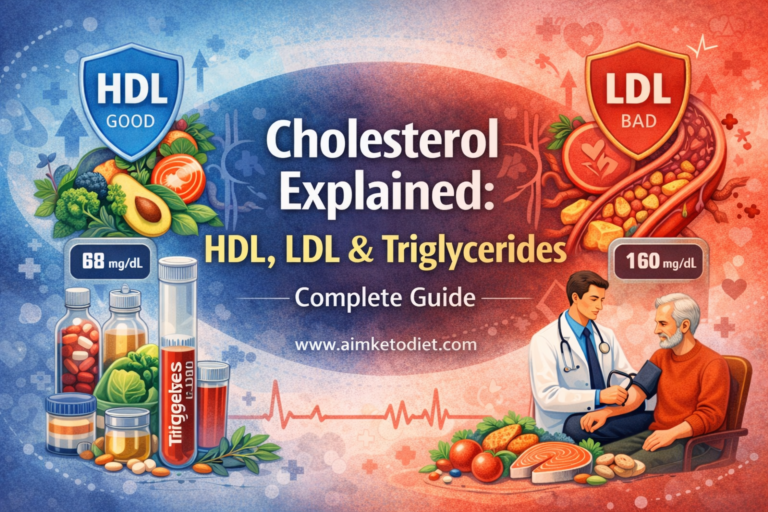
Triglycerides and cholesterol are both lipids, but they serve different purposes.
Cholesterol is primarily used for building cells, producing hormones, and synthesizing vitamin D. It travels through the bloodstream in lipoproteins such as LDL and HDL.
Triglycerides, on the other hand, are mainly involved in energy storage. They represent stored fuel rather than structural material.
High LDL cholesterol increases plaque formation in arteries, while high triglycerides often indicate metabolic imbalance, insulin resistance, or excessive carbohydrate intake. When both are elevated, cardiovascular risk increases significantly.
What Is a Normal Triglyceride Level?
Triglyceride levels are measured through a fasting blood test called a lipid profile.
Normal fasting triglyceride levels are generally below 150 mg/dL. Levels between 150–199 mg/dL are considered borderline high. Levels between 200–499 mg/dL are high, and levels above 500 mg/dL are very high.
Very high triglyceride levels increase the risk of pancreatitis, a serious inflammatory condition affecting the pancreas.
Monitoring triglycerides regularly is essential for assessing cardiovascular and metabolic health.
Causes of High Triglycerides
High triglyceride levels rarely occur randomly. They are usually a result of metabolic stress and lifestyle patterns.
Excessive carbohydrate intake is one of the leading causes. When refined sugars and processed carbohydrates are consumed in large amounts, the body converts surplus glucose into triglycerides.
Overeating in general contributes to elevated levels because excess calories are stored as fat.
Insulin resistance plays a major role. When cells do not respond properly to insulin, the body produces more insulin, which stimulates triglyceride production in the liver.
Obesity increases fatty acid release into the bloodstream, raising triglyceride levels.
Physical inactivity reduces the body’s ability to burn stored fat efficiently.
Excess alcohol consumption also increases triglyceride production because alcohol is metabolized into substances that promote fat synthesis.
Certain medical conditions such as diabetes, hypothyroidism, kidney disease, and genetic disorders may contribute to elevated levels.
How High Triglycerides Affect the Body
Persistently high triglyceride levels can damage the cardiovascular system over time.
Elevated triglycerides contribute to plaque buildup inside arteries. This process narrows arteries and reduces blood flow, increasing the risk of heart attack and stroke.
High triglycerides are often accompanied by low HDL (good cholesterol) and small, dense LDL particles. This combination significantly increases cardiovascular risk.
Excess triglycerides also affect liver function, leading to non-alcoholic fatty liver disease. Fat accumulates in liver cells, impairing their function and potentially leading to inflammation or fibrosis.
High triglycerides are strongly associated with metabolic syndrome, a cluster of conditions including abdominal obesity, high blood pressure, high blood sugar, and abnormal cholesterol levels.
Triglycerides and Insulin Resistance
Insulin resistance is one of the most important drivers of elevated triglycerides.
When insulin does not effectively move glucose into cells, blood sugar levels rise. The liver responds by converting excess glucose into triglycerides.
High insulin levels stimulate fat production in the liver while also reducing fat breakdown. This leads to increased circulating triglycerides.
This cycle creates a metabolic environment that promotes weight gain, inflammation, and cardiovascular disease.
Understanding this relationship helps explain why dietary patterns that reduce insulin spikes may help lower triglyceride levels.
Symptoms of High Triglycerides
High triglycerides usually do not cause noticeable symptoms in the early stages. This is why routine blood testing is essential.
In severe cases, extremely high levels may lead to pancreatitis. Symptoms of pancreatitis include severe abdominal pain, nausea, vomiting, and fever.
Some individuals with genetic conditions may develop fatty deposits under the skin known as xanthomas.
However, most people discover elevated triglycerides only through routine health screening.
Diagnosis and Testing
Triglycerides are measured through a fasting lipid panel.
Fasting is important because triglyceride levels rise after meals. Testing is usually done after 8–12 hours without food.
The lipid panel also measures total cholesterol, LDL cholesterol, and HDL cholesterol, providing a complete picture of cardiovascular risk.
Doctors may recommend additional tests if triglycerides are significantly elevated to rule out underlying metabolic or endocrine disorders.
How to Lower Triglycerides Naturally
Lowering triglycerides naturally involves improving metabolic health and addressing lifestyle factors.
Reducing refined carbohydrates is one of the most effective strategies. Foods high in sugar and processed grains increase triglyceride production. Choosing whole, unprocessed foods helps regulate blood sugar and insulin levels.
Increasing physical activity improves fat metabolism. Regular exercise enhances the body’s ability to use triglycerides as energy, reducing circulating levels.
Weight loss significantly reduces triglycerides. Even modest weight reduction improves insulin sensitivity and lowers fat production in the liver.
Healthy dietary fats such as omega-3 fatty acids support balanced lipid levels. Fatty fish, nuts, and seeds provide essential nutrients that promote cardiovascular health.
Limiting alcohol intake reduces liver fat synthesis and lowers triglyceride production.
Improving sleep quality and managing stress help regulate hormones that influence metabolism.
On Aimketodiet.com, metabolic balance is emphasized as the foundation of long-term health improvement.
Role of Nutrition in Managing Triglycerides
Nutrition plays a central role in regulating triglyceride levels.
Diets rich in fiber help slow glucose absorption and reduce insulin spikes. Vegetables, whole foods, and natural sources of fiber support stable blood sugar.
Adequate protein intake supports muscle mass and improves metabolic rate.
Healthy fats such as monounsaturated and omega-3 fats may help reduce inflammation and support cardiovascular health.
Avoiding sugary beverages and highly processed foods significantly lowers triglyceride levels.
Balanced nutrition promotes sustained energy rather than rapid glucose spikes.
Triglycerides and Metabolic Syndrome
High triglycerides are one of the diagnostic criteria for metabolic syndrome.
Metabolic syndrome increases the risk of heart disease, stroke, and type 2 diabetes.
The presence of abdominal obesity, high blood pressure, elevated fasting blood sugar, low HDL cholesterol, and high triglycerides indicates metabolic dysfunction.
Addressing triglycerides early may prevent progression to more serious conditions.
When Medication Is Necessary
In some cases, lifestyle changes alone may not sufficiently reduce triglyceride levels.
Doctors may prescribe medications such as fibrates, omega-3 supplements, or statins when levels are extremely high or when cardiovascular risk is significant.
Medication is typically combined with lifestyle modification for best results.
Regular monitoring ensures effectiveness and safety.
Long-Term Health Implications
Persistently elevated triglycerides increase the likelihood of cardiovascular events.
They also contribute to chronic inflammation, fatty liver disease, and metabolic complications.
However, triglyceride levels often respond quickly to dietary and lifestyle improvements. This makes them a valuable marker of metabolic health progress.
Understanding and managing triglycerides is an essential step toward preventing chronic disease.
Prevention and Ongoing Monitoring
Preventive health practices significantly reduce triglyceride-related risks.
Regular health screenings help detect changes early.
Maintaining consistent dietary habits, exercise routines, and stress management practices supports stable lipid levels.
Avoiding extreme calorie excess prevents unnecessary fat storage.
Building sustainable habits rather than short-term fixes ensures long-term cardiovascular protection.
Aimketodiet.com promotes educational awareness so individuals can make informed choices that support metabolic health and reduce disease risk.
Conclusion
Triglycerides are an essential energy-storage fat, but when levels rise excessively, they become a major indicator of metabolic imbalance and cardiovascular risk. High triglycerides are closely linked with insulin resistance, obesity, poor dietary habits, and sedentary lifestyle patterns.
Understanding what triglycerides are and how they affect the body empowers individuals to take proactive steps toward prevention. Through balanced nutrition, regular physical activity, weight management, and metabolic awareness, triglyceride levels can be reduced naturally and effectively.
Aimketodiet.com is committed to providing clear, educational health content that helps you understand how cardiovascular and metabolic systems work together. Managing triglycerides is not just about lowering a number — it is about restoring overall metabolic balance and protecting long-term health.
Small daily changes can create significant long-term improvements.