Introduction
One of the most confusing parts of starting the keto diet is understanding what foods are allowed and what foods should be avoided. Many beginners think keto is complicated because they see long food lists online with mixed information.
The truth is that keto food choices are actually very simple once you understand one basic rule:
avoid foods that raise blood sugar and choose foods that keep it stable.
The keto diet works by reducing carbohydrates so the body can shift from burning sugar to burning fat. This means food selection plays the most important role in keto success.
This complete guide explains in detail which foods are allowed on keto, which foods are not allowed, and why certain foods work or fail — so you can follow keto with clarity and confidence.
AimKetoDiet.com created this educational guide to remove confusion and help you make correct food choices every day.
Why Food Choice Matters So Much on Keto
Unlike traditional diets that focus on calorie counting, keto focuses on metabolic response.
Different foods affect the body differently:
Some foods raise blood sugar quickly
Some foods keep blood sugar stable
Some foods increase insulin
Some foods allow fat burning
Keto works only when insulin stays low. Food selection determines this.
That is why understanding food categories is more important than eating less.
Understanding Carbohydrates in Simple Terms
Carbohydrates are foods that break down into sugar.
Common carbohydrate-rich foods include:
Rice
Wheat
Sugar
Bread
Fruits
Potatoes
When consumed, these foods quickly turn into glucose and stop fat burning.
Keto reduces these foods to allow the body to access stored fat.
Foods Allowed on the Keto Diet
Keto-allowed foods are those that are low in carbohydrates and do not cause blood sugar spikes.
These foods provide energy, nutrition, and satiety while supporting ketosis.
Let’s understand each category in detail.
1. Healthy Fats (Foundation of Keto)
Healthy fats are the primary energy source on keto.
When carbohydrates are removed, fats provide fuel to the body and brain.
Why Fats Are Important
Fat helps to:
Maintain ketosis
Provide stable energy
Reduce hunger
Improve satiety
Without adequate fat, keto becomes uncomfortable.
Best Keto Fats
Natural fats are always preferred.
These include:
Ghee
Butter
Coconut oil
Olive oil
Avocado oil
Fresh cream (limited)
These fats digest slowly and provide long-lasting energy.
How to Use Fats Properly
Fats should be used for cooking and meal preparation, not overeaten mindlessly.
Keto is not about drinking oil. It is about balanced fat intake.
2. Protein Foods Allowed on Keto
Protein helps maintain muscles and supports daily body repair.
Keto uses moderate protein, not high protein.
Non-Vegetarian Protein Options
These are excellent keto foods:
Eggs
Chicken
Fish
Mutton (limited)
Prawns
These foods are low in carbohydrates and highly nutritious.
Avoid processed meats that contain sugar or starch.
Vegetarian Protein Options
Vegetarian keto is possible with careful planning.
Allowed options include:
Paneer (full fat)
Cheese
Tofu
Greek yogurt (small quantity)
Low-fat dairy should be avoided as it contains more sugar.
3. Low-Carb Vegetables
Vegetables are important for fiber, vitamins, and digestion.
On keto, only low-carbohydrate vegetables are allowed.
Why Vegetables Are Important
Vegetables help with:
Digestion
Gut health
Mineral intake
Preventing constipation
Keto is not a meat-only diet.
Best Keto Vegetables
Low-carb vegetables include:
Spinach
Cabbage
Cauliflower
Broccoli
Zucchini
Mushroom
Bottle gourd
Ridge gourd
Cucumber
Capsicum
These vegetables contain minimal sugar and are suitable for daily meals.
Vegetables to Limit
Some vegetables are healthy but higher in carbs.
These include:
Onion
Tomato
Pumpkin
Carrot
They can be used in small amounts only.
4. Nuts and Seeds (Limited Use)
Nuts and seeds are nutritious but calorie-dense.
They contain small amounts of carbohydrates.
Allowed in small quantities:
Almonds
Walnuts
Pecans
Chia seeds
Flax seeds
Pumpkin seeds
Overeating nuts is a common keto mistake that slows weight loss.
5. Dairy Products on Keto
Dairy can be keto-friendly when chosen wisely.
Allowed dairy includes:
Full-fat paneer
Butter
Cheese
Cream
Avoid:
Milk
Flavored yogurt
Sweetened dairy
Milk contains natural sugar and can break ketosis if consumed regularly.
6. Spices and Seasonings
Most Indian spices are keto-friendly because they are used in small amounts.
Allowed spices include:
Turmeric
Red chilli powder
Black pepper
Cumin
Coriander powder
Garam masala
Curry leaves
Avoid packaged spice mixes with added sugar or starch.
7. Beverages Allowed on Keto
Proper hydration is very important.
Allowed beverages include:
Water
Green tea
Black tea (without sugar)
Black coffee
Lemon water (no sugar)
Avoid adding sweeteners during early keto stages.
Foods NOT Allowed on the Keto Diet
Foods not allowed on keto are those that significantly raise blood sugar and insulin.
Let’s understand them clearly.
1. Grains and Cereals
These are the biggest keto blockers.
Not allowed:
Rice
Wheat
Roti
Bread
Pasta
Noodles
Oats
Corn
These foods convert into sugar very quickly.
2. Sugar and Sweet Foods
Sugar completely stops ketosis.
Avoid:
White sugar
Brown sugar
Jaggery
Honey
Sweets
Desserts
Chocolates
Even small amounts can interrupt fat burning.
3. High-Sugar Fruits
Although fruits are healthy, most contain natural sugar.
Avoid:
Banana
Mango
Apple
Grapes
Orange
Chikoo
Low-carb fruits may be allowed occasionally in very small portions later.
4. Starchy Vegetables
Not allowed:
Potato
Sweet potato
Yam
Beetroot
These spike blood sugar quickly.
5. Packaged and Processed Foods
These often contain hidden sugar.
Avoid:
Chips
Biscuits
Ready meals
Sauces
Ketchup
Packaged gravies
Always read labels carefully.
6. Sweetened Beverages
Avoid completely:
Soft drinks
Fruit juices
Energy drinks
Sweet tea or coffee
Liquid sugar breaks ketosis instantly.
Common Confusions About Keto Foods
Many beginners feel confused about certain foods.
Is Paneer Allowed?
Yes, full-fat paneer is keto-friendly.
Is Milk Allowed?
No, milk contains sugar.
Is Curd Allowed?
Only small amounts of full-fat curd.
Are Nuts Allowed Daily?
No, only in limited portions.
Why Portion Control Still Matters
Even keto-friendly foods can slow progress if eaten excessively.
Calories still matter, but keto helps control them naturally.
Mindful eating improves results.
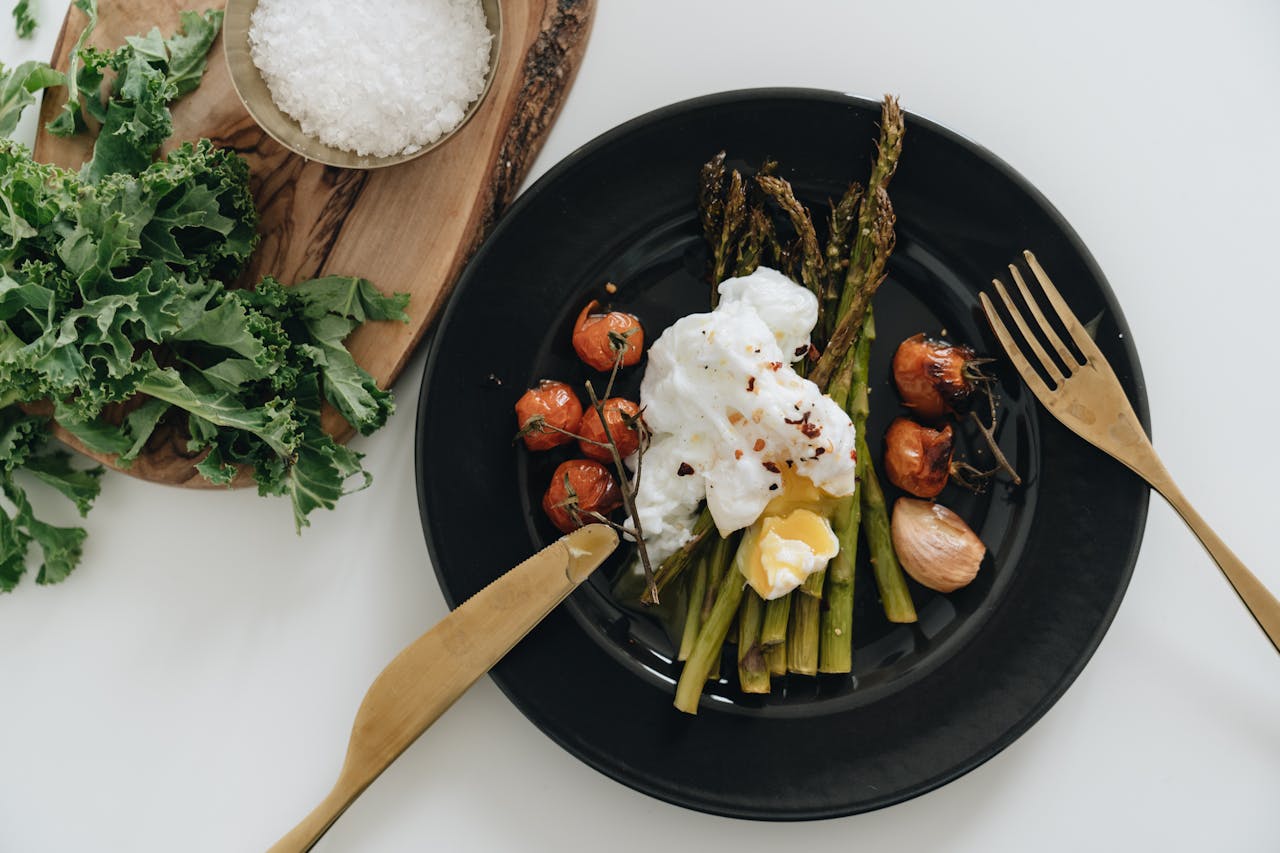
How to Build a Simple Keto Plate
A balanced keto meal includes:
Protein portion
Low-carb vegetables
Healthy fat
This structure keeps meals satisfying and simple.
How Food Choices Affect Ketosis
Correct foods:
Maintain low insulin
Promote fat burning
Reduce cravings
Incorrect foods:
Stop ketosis
Increase hunger
Cause weight stalls
Consistency matters more than perfection.
Eating Outside on Keto
When eating outside:
Choose grilled foods
Avoid sauces
Skip bread and rice
Choose vegetables
Simple choices help maintain ketosis.
Keto Is About Awareness, Not Restriction
Keto does not remove nutrition.
It removes sugar dependency.
Once understood, food selection becomes easier.
Conclusion
Understanding which foods are allowed and not allowed on the keto diet is the foundation of success. Keto works not by eating less, but by eating foods that support fat burning and stable blood sugar levels.
By choosing natural fats, moderate protein, low-carb vegetables, and avoiding sugar and grains, keto becomes simple and sustainable.
AimKetoDiet.com provides this detailed food guide to help you follow keto with clarity, confidence, and long-term success.