Introduction
Stress has quietly become one of the most serious health concerns in modern lifestyles. From work pressure and financial responsibilities to social expectations and digital overload, the human mind is constantly exposed to situations that trigger stress responses. While occasional stress is normal and even helpful in certain situations, chronic stress gradually begins to affect the body, mind, and daily functioning in ways many people fail to recognize.
On Aimketodiet.com, the focus is on helping individuals understand how lifestyle patterns influence long-term health. Stress is not just an emotional condition — it has real biological effects on the body. It influences heart health, digestion, sleep, immunity, mental clarity, and energy levels. When ignored, stress becomes a silent contributor to multiple lifestyle disorders.
Understanding how stress works, how it affects the body, and how it can be managed naturally is essential for maintaining a balanced and healthy life.
How Stress Actually Works Inside the Body
When a person experiences stress, the body activates its internal defense system. This response is designed to help deal with threats or challenges. Hormones are released that increase alertness, raise heart rate, and prepare the body to react quickly.
In short bursts, this response can be beneficial. It helps people stay focused during important tasks or react in emergencies. However, when stress becomes constant, the body remains in a state of continuous alert. Over time, this drains energy, disrupts natural biological rhythms, and begins affecting multiple systems.
The problem is not stress itself — the problem is prolonged exposure to stress without recovery.
Physical Effects of Stress on the Body
Stress affects nearly every organ and system. Many people first notice it through physical discomfort rather than emotional symptoms.
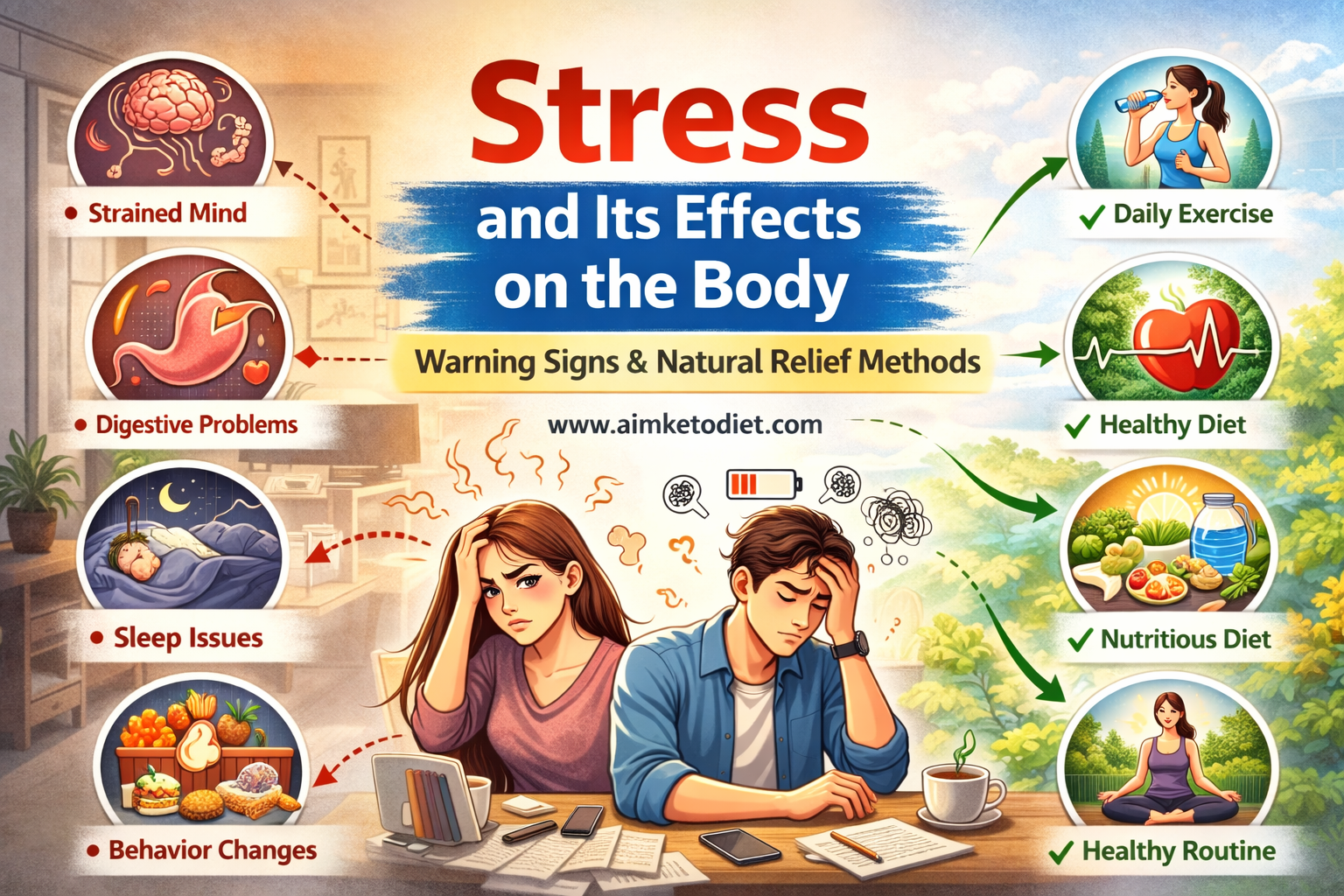
Chronic stress often causes persistent muscle tension, especially in the neck, shoulders, and back. This leads to frequent headaches, body aches, and fatigue. The immune system also weakens, making the body more vulnerable to infections and illnesses.
People under stress may feel constantly tired even after resting. This happens because the body remains in an alert state, using energy continuously. Over time, physical stamina decreases, and recovery becomes slower.
Stress and Heart Health
The heart is one of the organs most affected by stress. When stress hormones are released, heart rate increases and blood pressure rises. This reaction is useful during short-term challenges but harmful when it continues for long periods.
Long-term stress puts continuous pressure on the cardiovascular system. It can contribute to hypertension, irregular heartbeat, and other heart-related concerns. Emotional tension also affects blood circulation, which influences overall energy and endurance.
Managing stress is therefore not only important for mental health but also for protecting heart health.
Digestive System and Stress Connection
The digestive system responds quickly to emotional changes. Many people experience stomach discomfort during stressful situations. This happens because stress affects digestion speed, enzyme activity, and nutrient absorption.
Some individuals lose appetite, while others develop emotional eating habits. Indigestion, bloating, and irregular bowel movements are common in people who experience continuous stress.
Over time, digestive health weakens, and energy levels drop because the body is unable to absorb nutrients efficiently.
Mental and Emotional Impact
Stress significantly affects emotional balance. It increases anxiety, irritability, and restlessness. People often feel overwhelmed even by small tasks.
Mental clarity reduces, decision-making becomes difficult, and motivation drops. Overthinking becomes common, and negative thoughts dominate the mind.
If unmanaged, emotional stress can lead to burnout, where the mind feels exhausted and disengaged from daily activities.
Sleep Disturbances Caused by Stress
Sleep is one of the first areas affected by stress. A stressed mind struggles to relax, making it difficult to fall asleep. Even when sleep occurs, it may be shallow and interrupted.
Poor sleep reduces recovery, weakens immunity, and increases fatigue. It also creates a cycle — stress disrupts sleep, and poor sleep increases stress.
Restful sleep is essential for restoring both physical and mental energy.
Behavioral Changes Under Stress
Stress often changes daily behavior without people realizing it. Some individuals begin emotional eating, while others lose appetite. Screen time increases as a form of distraction. Social interactions reduce, and physical activity decreases.
These changes gradually affect overall health. Sedentary habits, poor food choices, and isolation further increase stress levels, creating a negative cycle.
Early Warning Signs of Chronic Stress
The body always gives signals before serious health problems appear. Constant tiredness, frequent headaches, lack of interest in activities, and difficulty concentrating are early signs.
Ignoring these signals allows stress to build up. Recognizing them early helps prevent deeper physical and emotional effects.
Natural Ways to Manage Stress
Stress management does not require complicated techniques. Simple lifestyle practices can significantly reduce its impact.
Deep breathing calms the nervous system. Spending time outdoors reduces mental pressure. Listening to calming music or engaging in hobbies provides emotional relief. Social interaction also plays an important role in stress recovery.
Consistency in these small habits helps maintain emotional balance.
Movement and Physical Activity
Physical activity naturally reduces stress hormones. Walking, stretching, yoga, or light exercise improves blood circulation and releases endorphins, which improve mood.
Regular movement helps the mind relax and improves sleep quality. It also increases energy levels and reduces mental fatigue.
Importance of Routine and Balance
A structured routine brings stability. When daily activities follow a consistent pattern, the mind feels more in control and less overwhelmed.
Balanced routines improve time management, reduce uncertainty, and create space for relaxation and recovery.
Nutrition and Emotional Health
Food has a strong influence on mood and energy. Irregular meals, processed foods, and nutrient deficiencies worsen stress.
Balanced nutrition supports brain function, stabilizes mood, and maintains energy levels. Eating regularly and choosing wholesome foods helps maintain emotional stability.
Long-Term Benefits of Stress Management
When stress is managed effectively, both physical and mental health improve. Energy levels increase, sleep becomes better, focus improves, and immunity strengthens.
People become more productive, emotionally balanced, and resilient. Managing stress also reduces the risk of lifestyle-related diseases and improves overall quality of life.
Conclusion
Stress is a natural part of life, but its long-term impact should never be ignored. It affects the body, mind, and daily behavior in ways that often go unnoticed until health begins to decline. Understanding its effects is the first step toward managing it effectively.
Aimketodiet.com emphasizes practical and sustainable health awareness that helps individuals take control of their daily routines and emotional well-being. By improving sleep, maintaining physical activity, building healthy habits, and allowing time for relaxation, stress can be managed naturally.
A balanced mind supports a healthy body. When stress is reduced, energy returns, focus improves, and life becomes more stable and fulfilling.